
Boston Commonwealth Pier
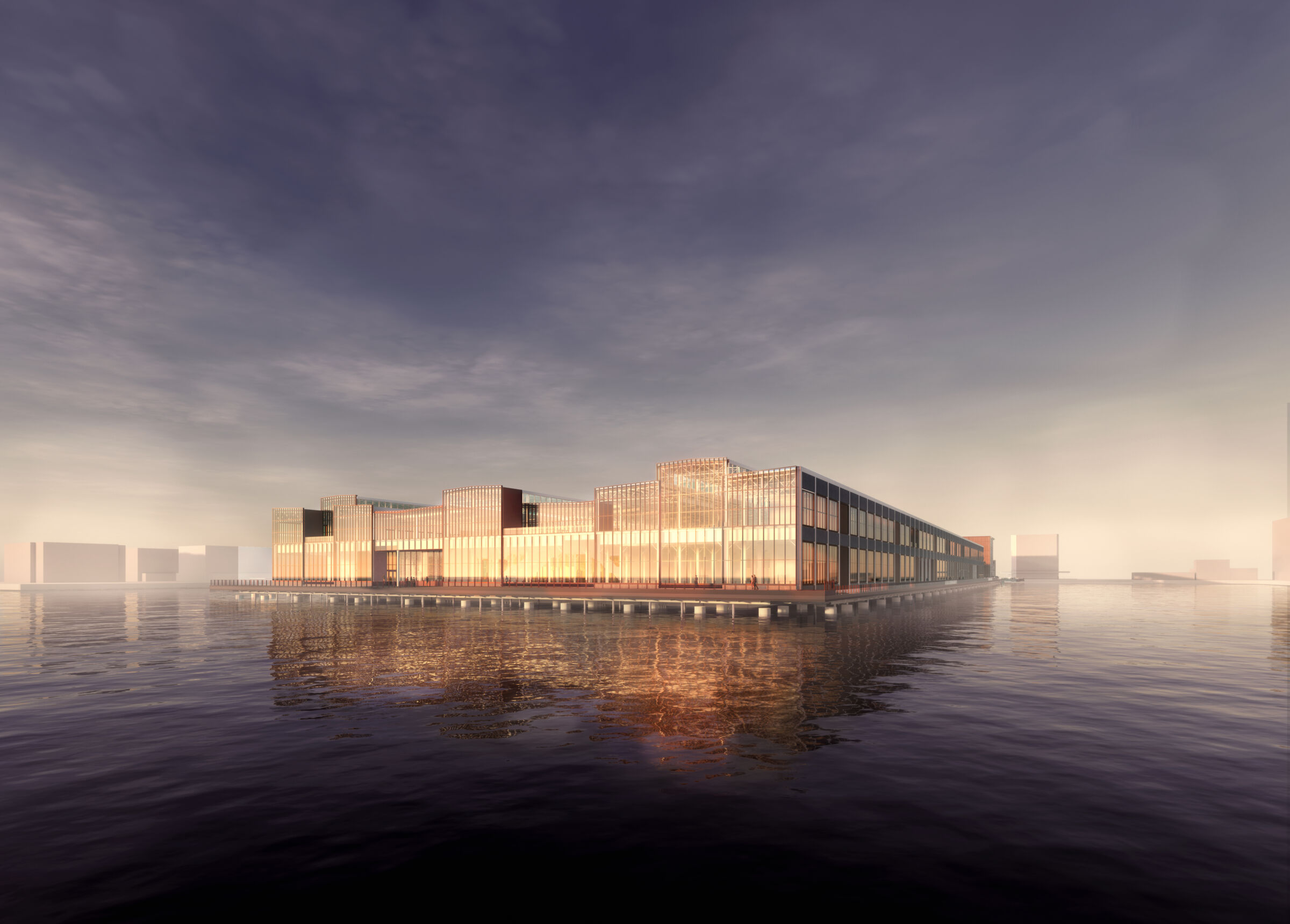
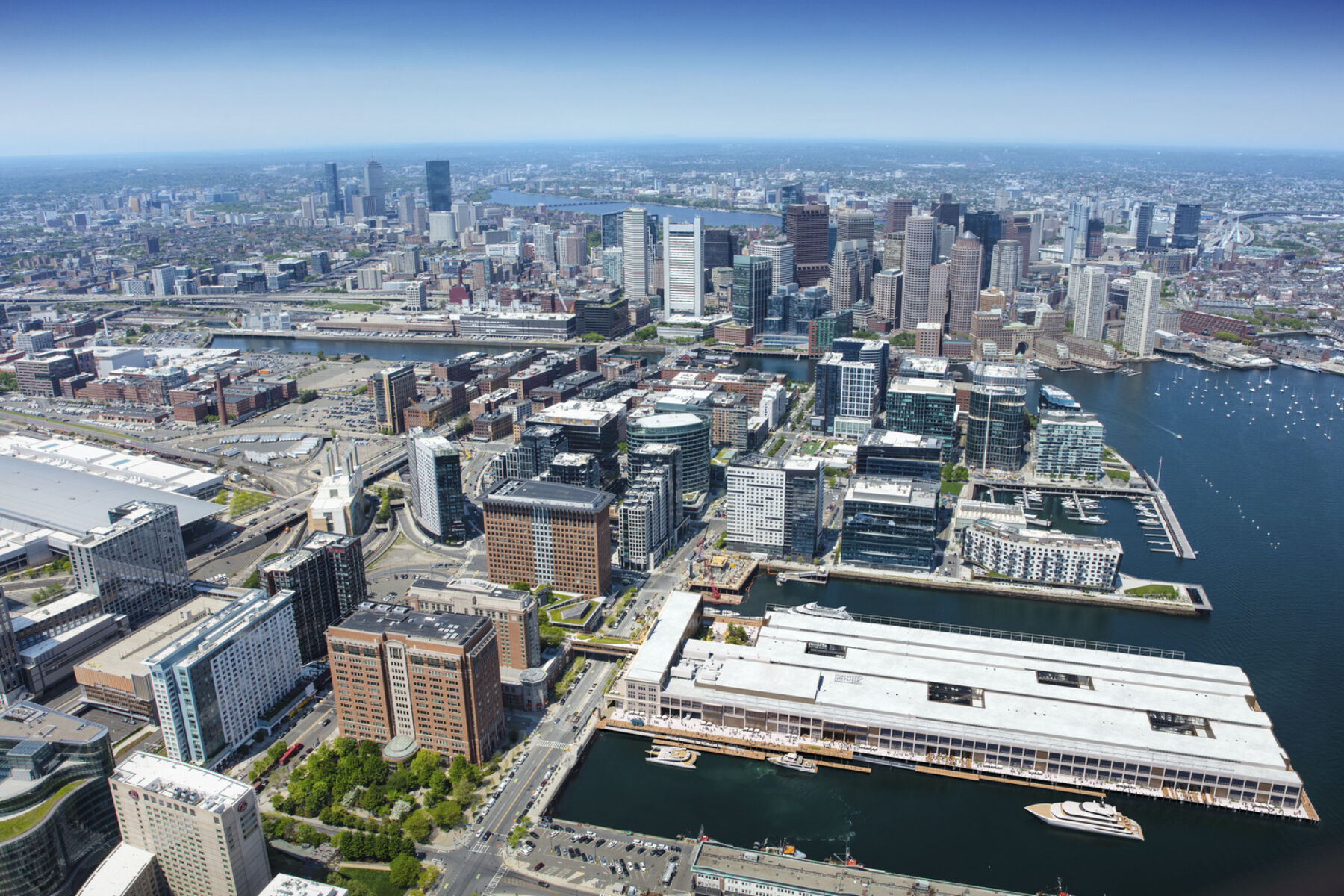
Adaptive reuse architecture in waterfront urban contexts defines the Boston Commonwealth Pier transformation, a large-scale redevelopment of one of the most historically significant maritime structures in the United States. Located in Boston’s Seaport District, the project reimagines a former industrial and trade hub as a vibrant, mixed-use destination that reconnects the city with its waterfront.
Originally built over a century ago, Commonwealth Pier was once among the largest pier structures in the world, playing a key role in Boston’s maritime economy. The current transformation aims to preserve this historic identity while introducing contemporary architectural interventions that enhance usability, connectivity, and environmental performance.
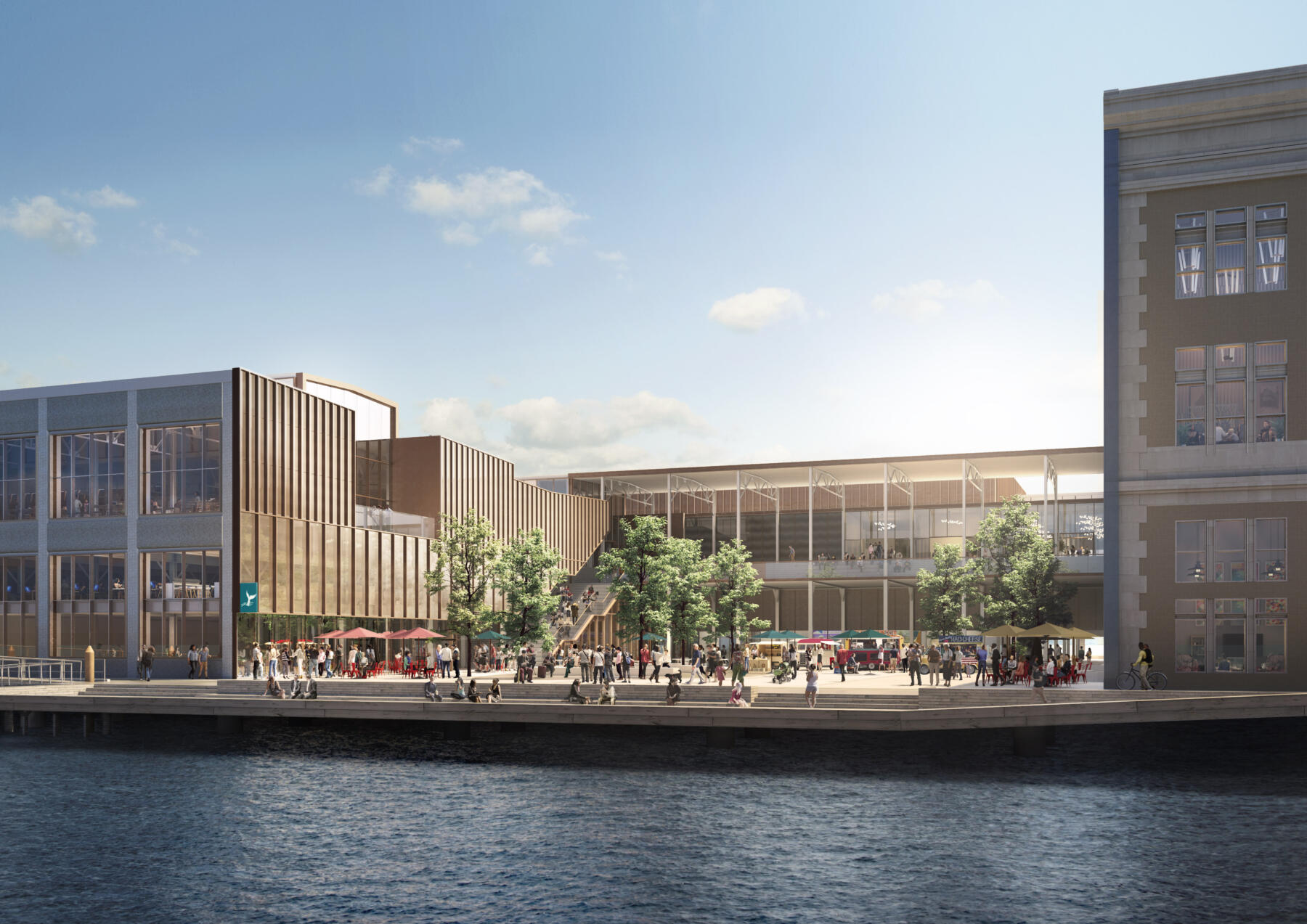
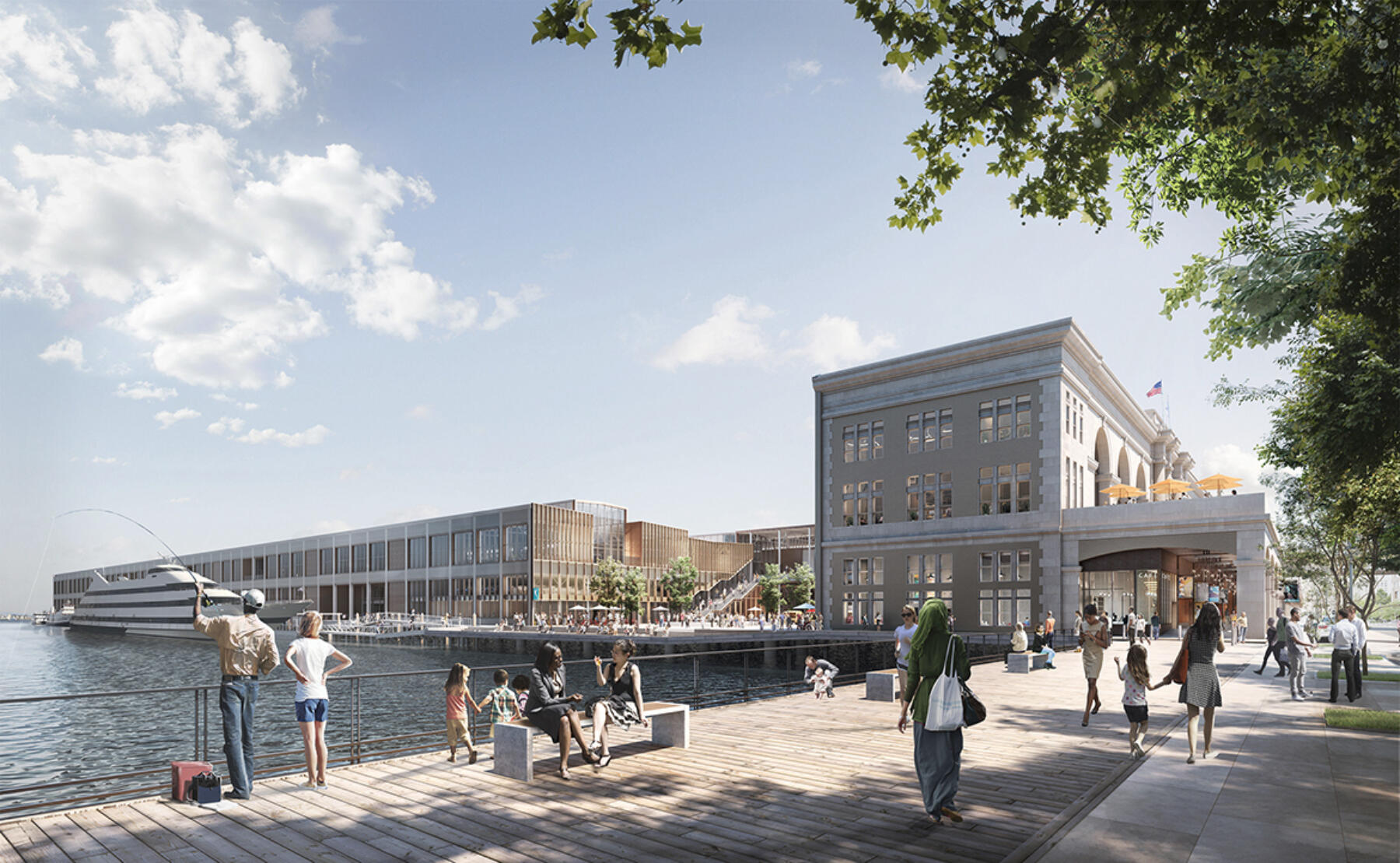
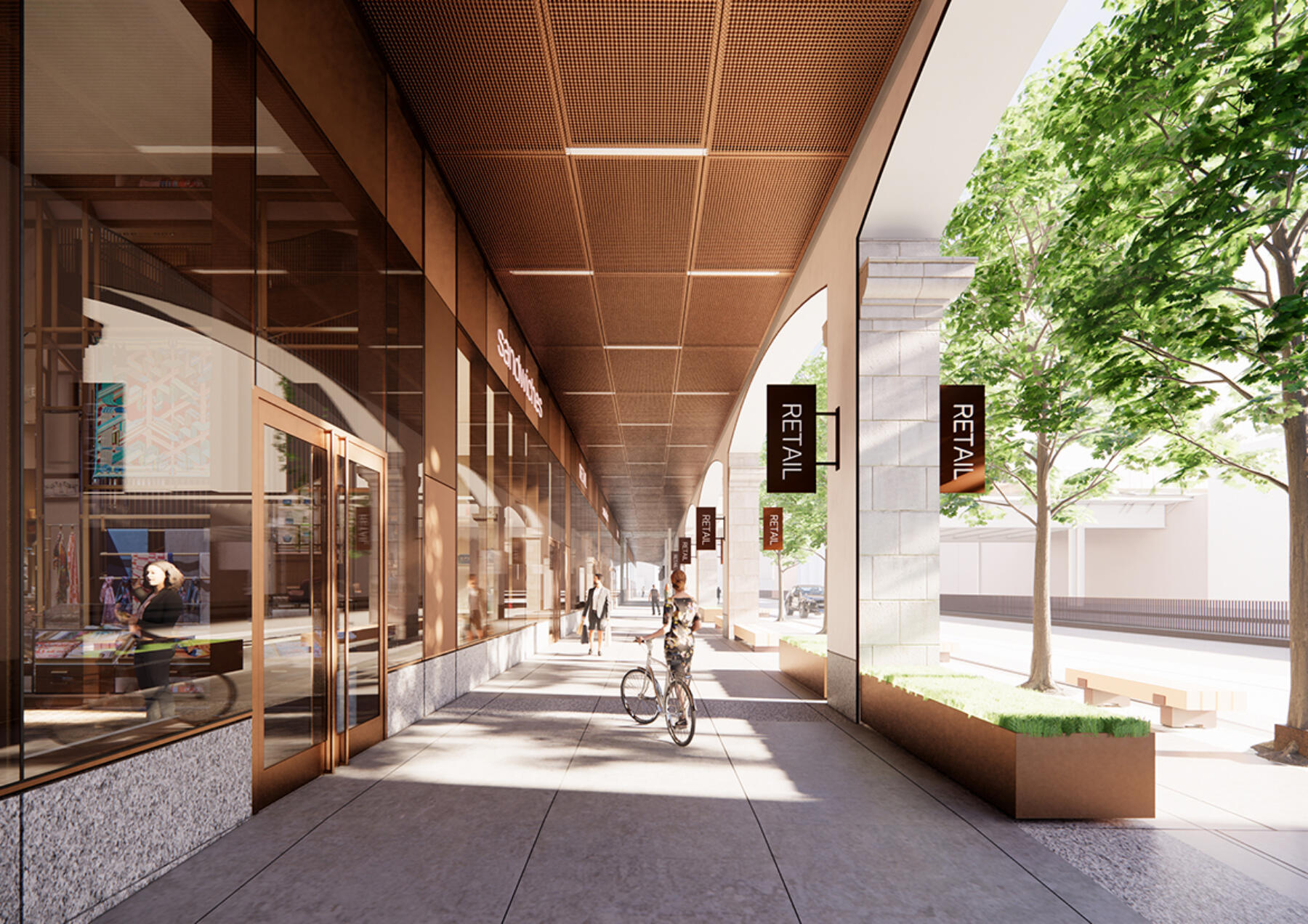
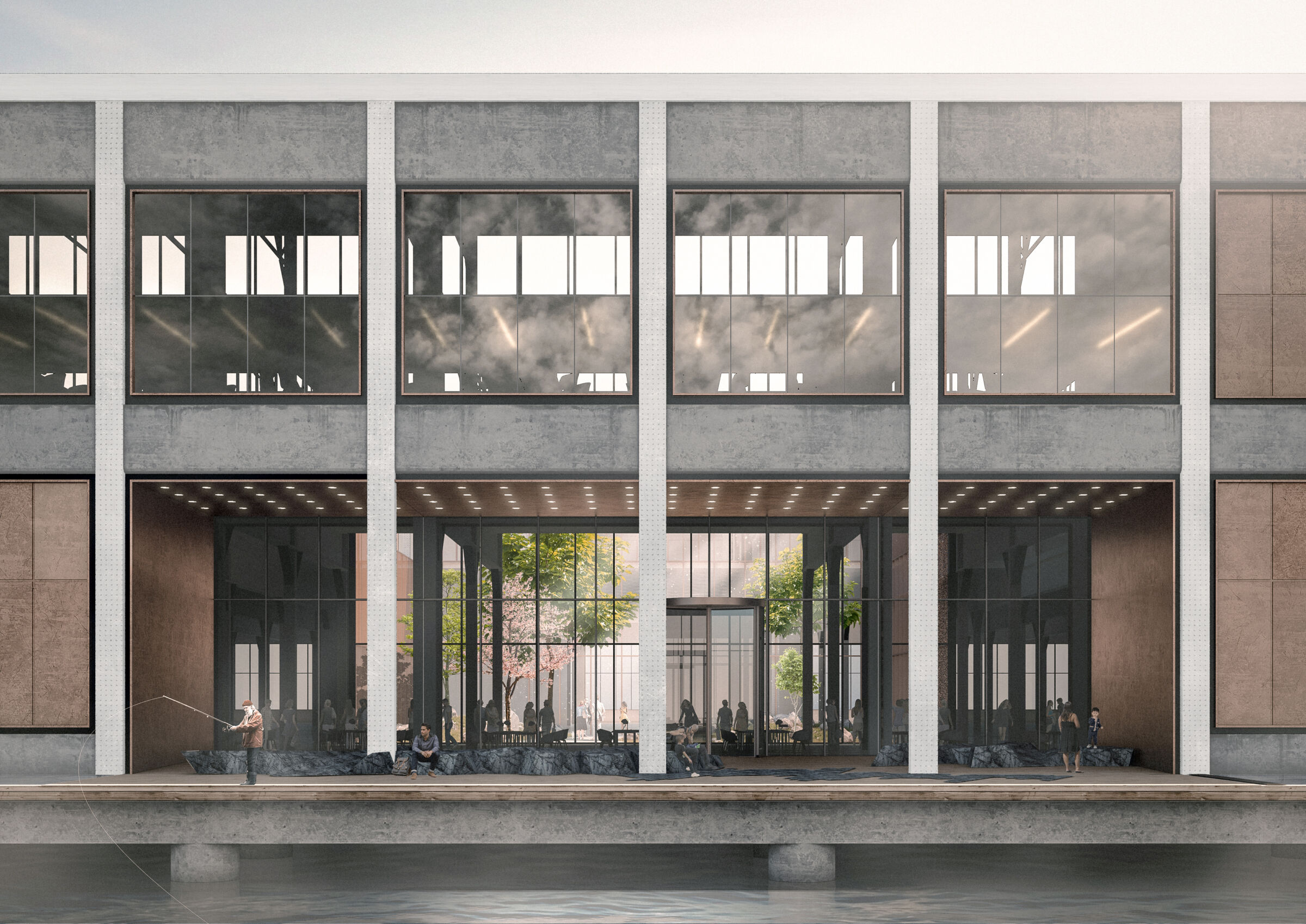
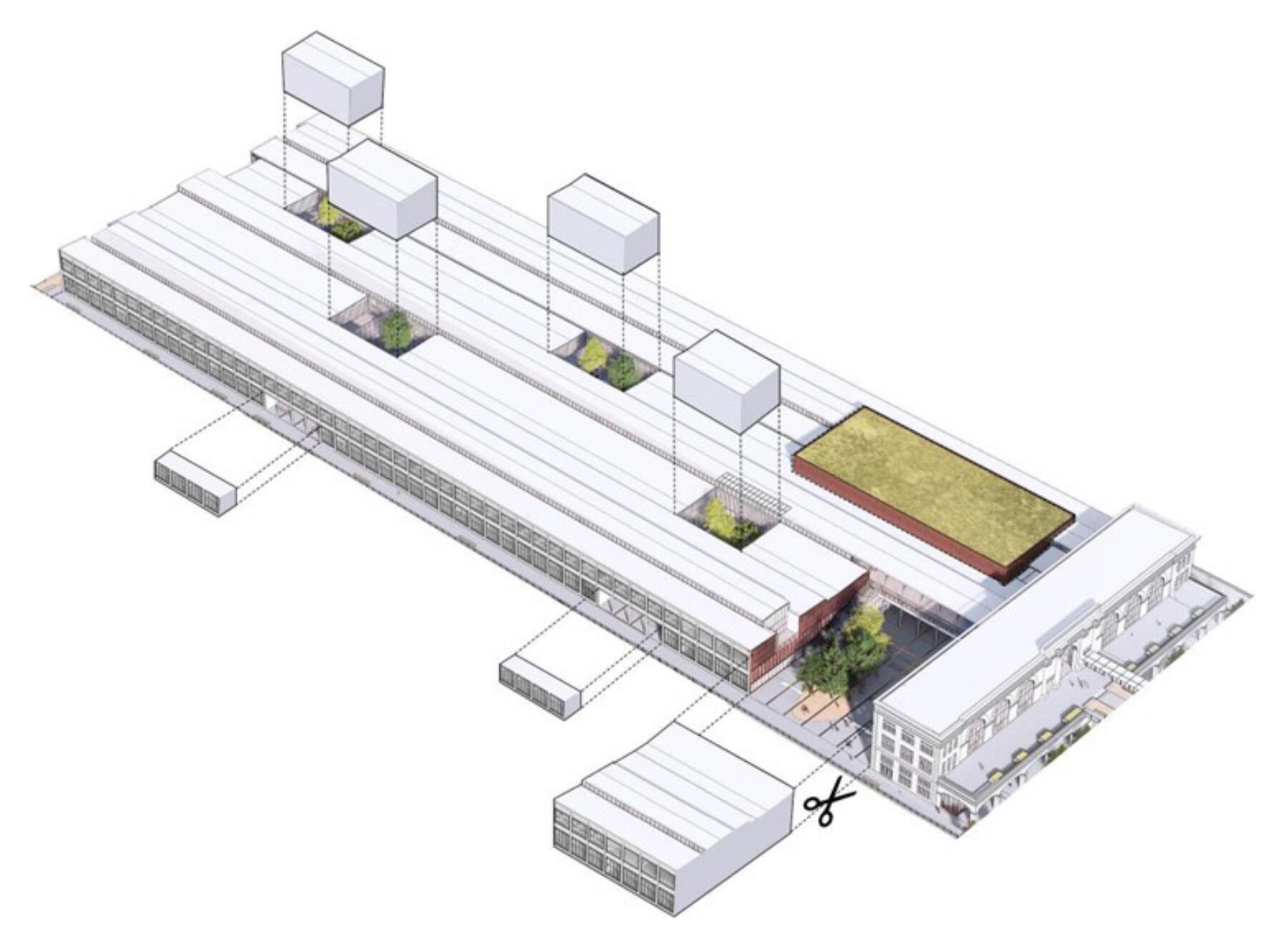
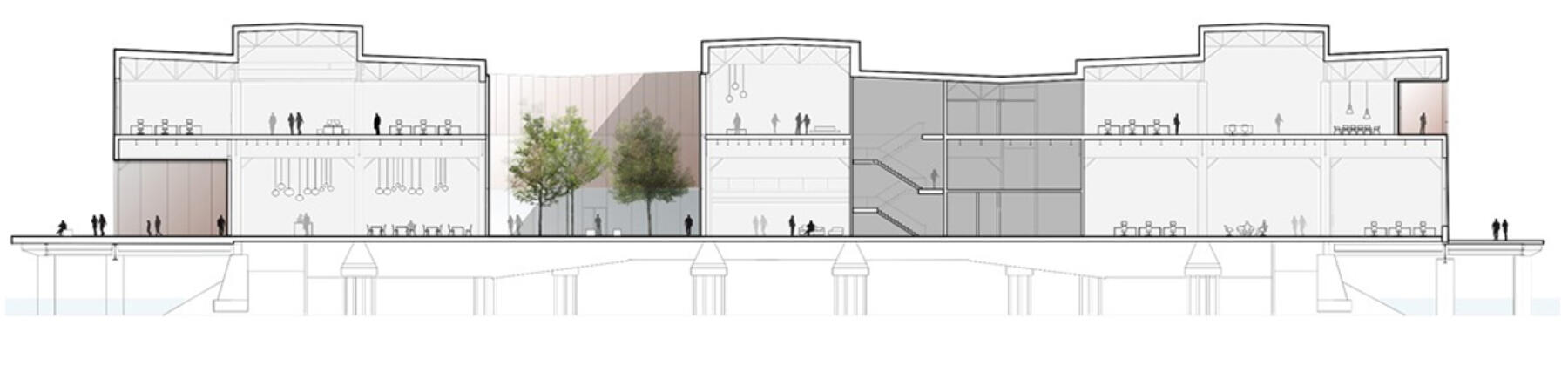
The design strategy carefully balances heritage preservation with modern development. Iconic architectural elements such as the stone arches and cornice of the neo-classical headhouse are retained, while new additions—including curtain wall façades and lightweight structural systems—create a dialogue between past and present.
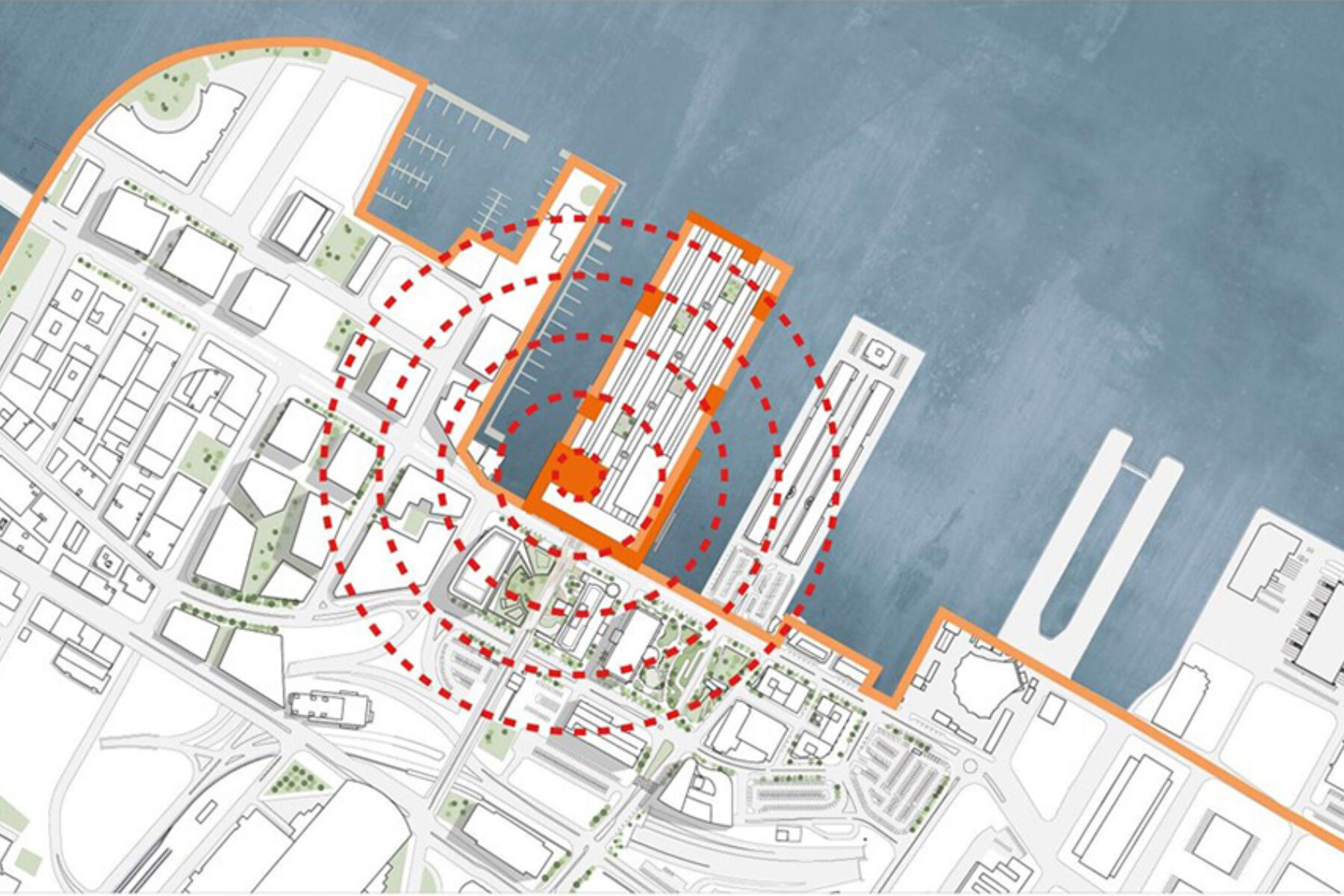
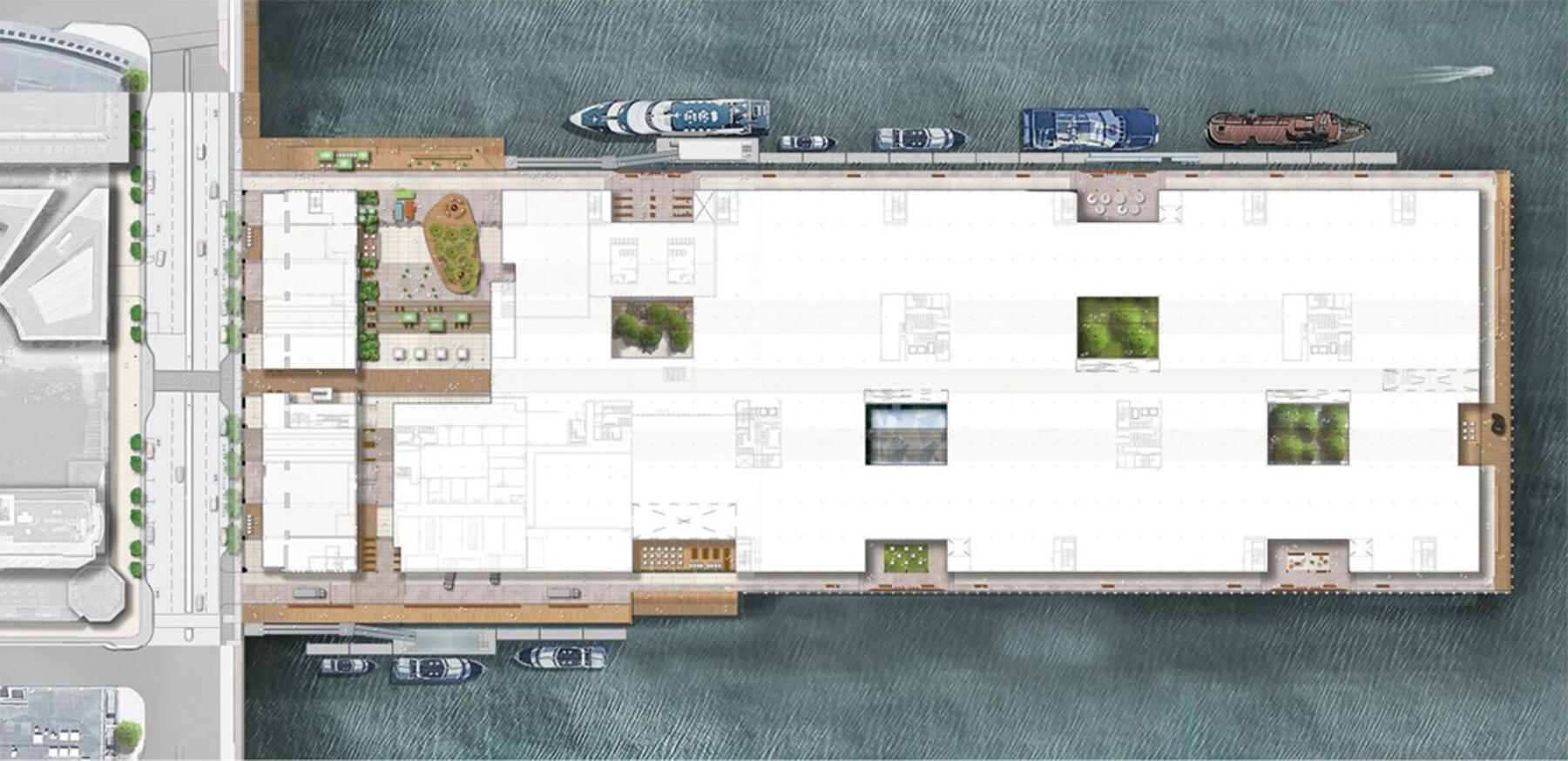
At the urban scale, the project introduces a new waterfront plaza at harbour level, acting as a central public gathering space. This plaza, along with enhanced courtyards, walkways, and green spaces, establishes a continuous network of public amenities that activate the site throughout the year. The design also strengthens the connection to the Boston Harborwalk, integrating the development into the broader pedestrian infrastructure along the waterfront.
Programmatically, the redevelopment includes a hybrid mix of office spaces, retail, event and exhibition areas, and hospitality functions. A new vertical element containing a hotel rises above the site, serving as a landmark and emphasizing the pier’s renewed role within the city skyline.
Sustainability and resilience are central to the project’s ambitions. Targeting LEED v4 Gold certification, the design incorporates strategies to improve daylight conditions, environmental performance, and long-term adaptability. These measures ensure that the pier can continue to function as a dynamic urban destination for future generations.
Ultimately, the Boston Commonwealth Pier transformation demonstrates how historic industrial infrastructure can be reactivated through thoughtful design—creating a contemporary urban environment that honors its past while embracing the future of waterfront development.
Collaboration
Under Construction
More in this category
More Projects from United States
View all →