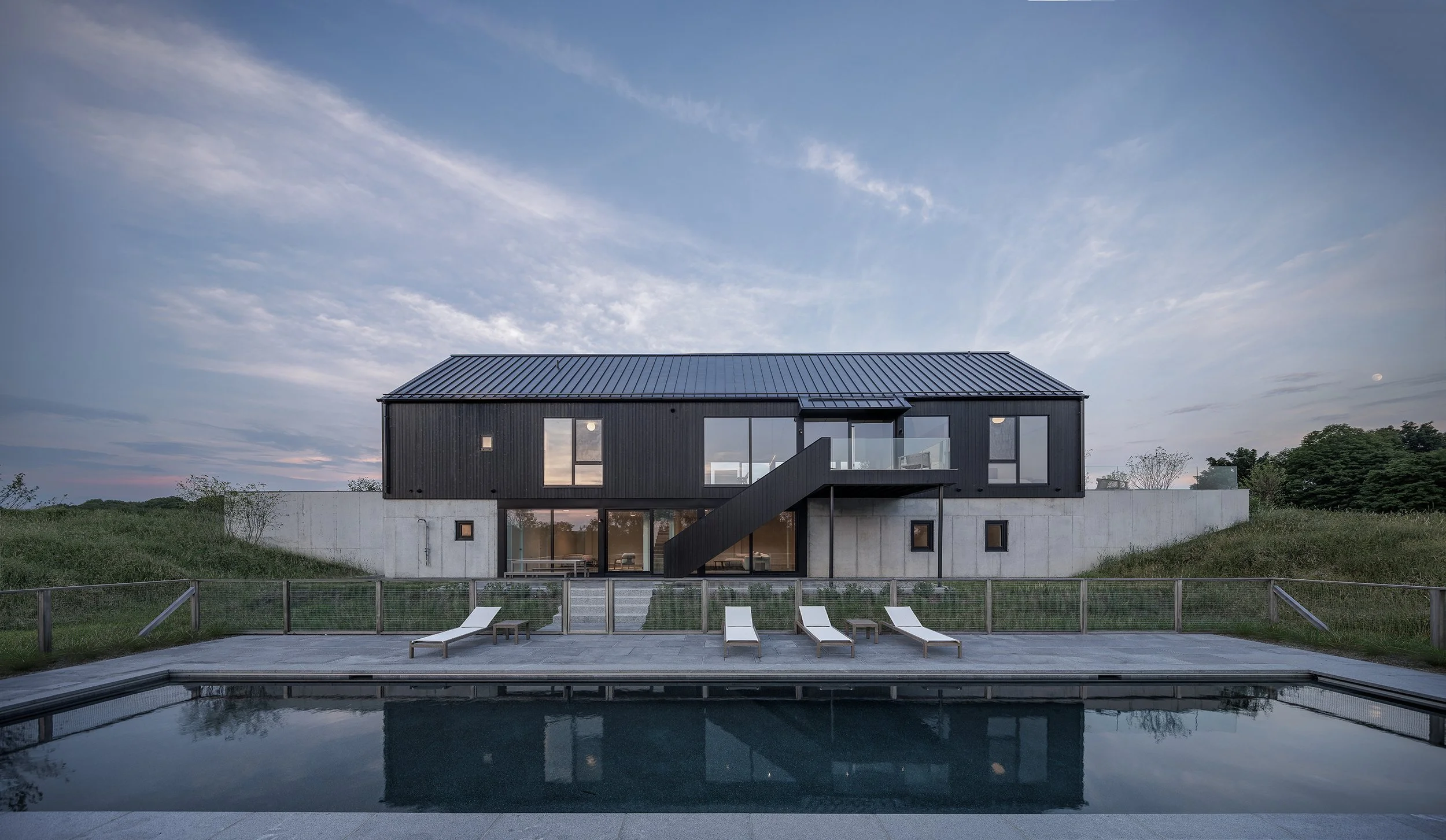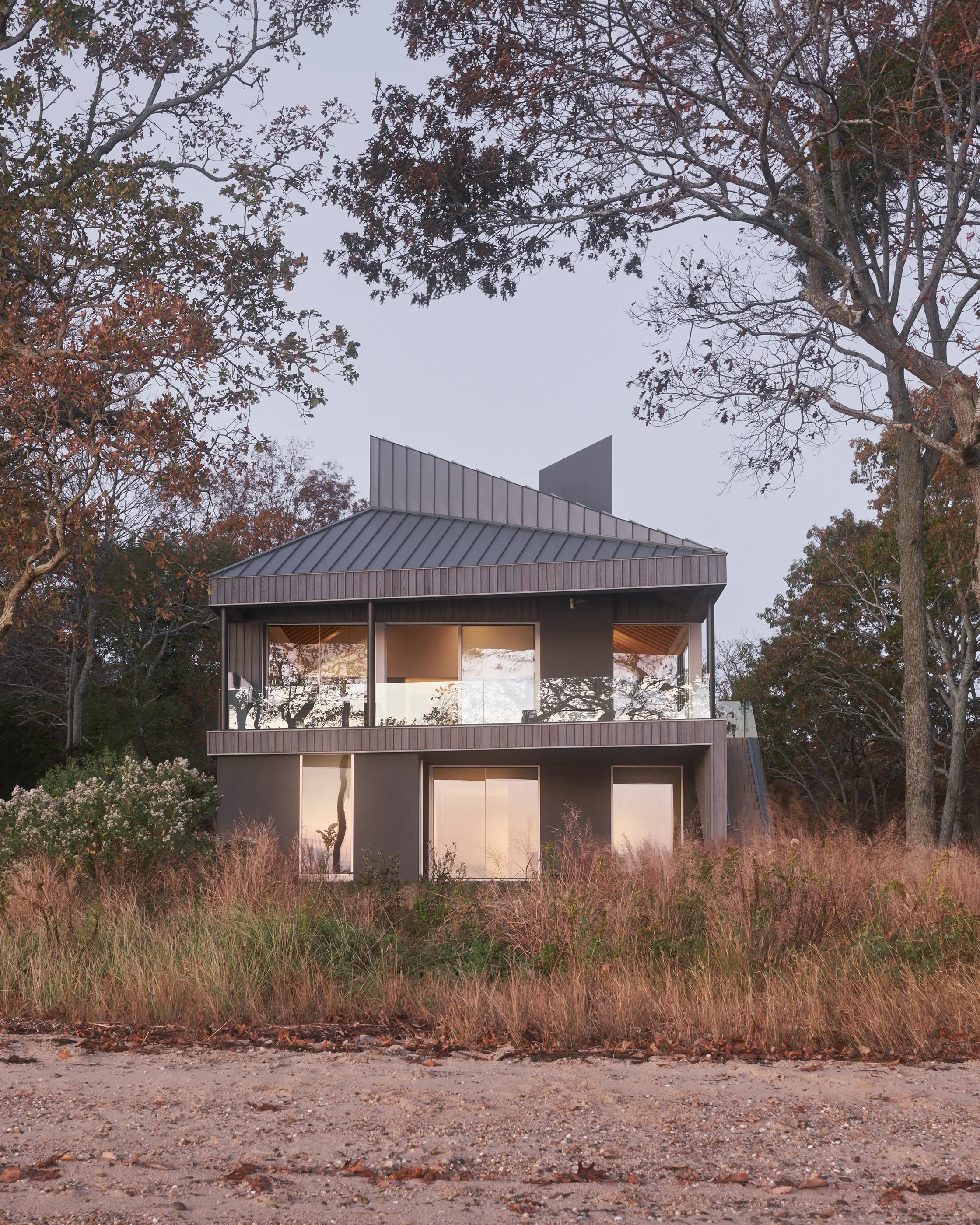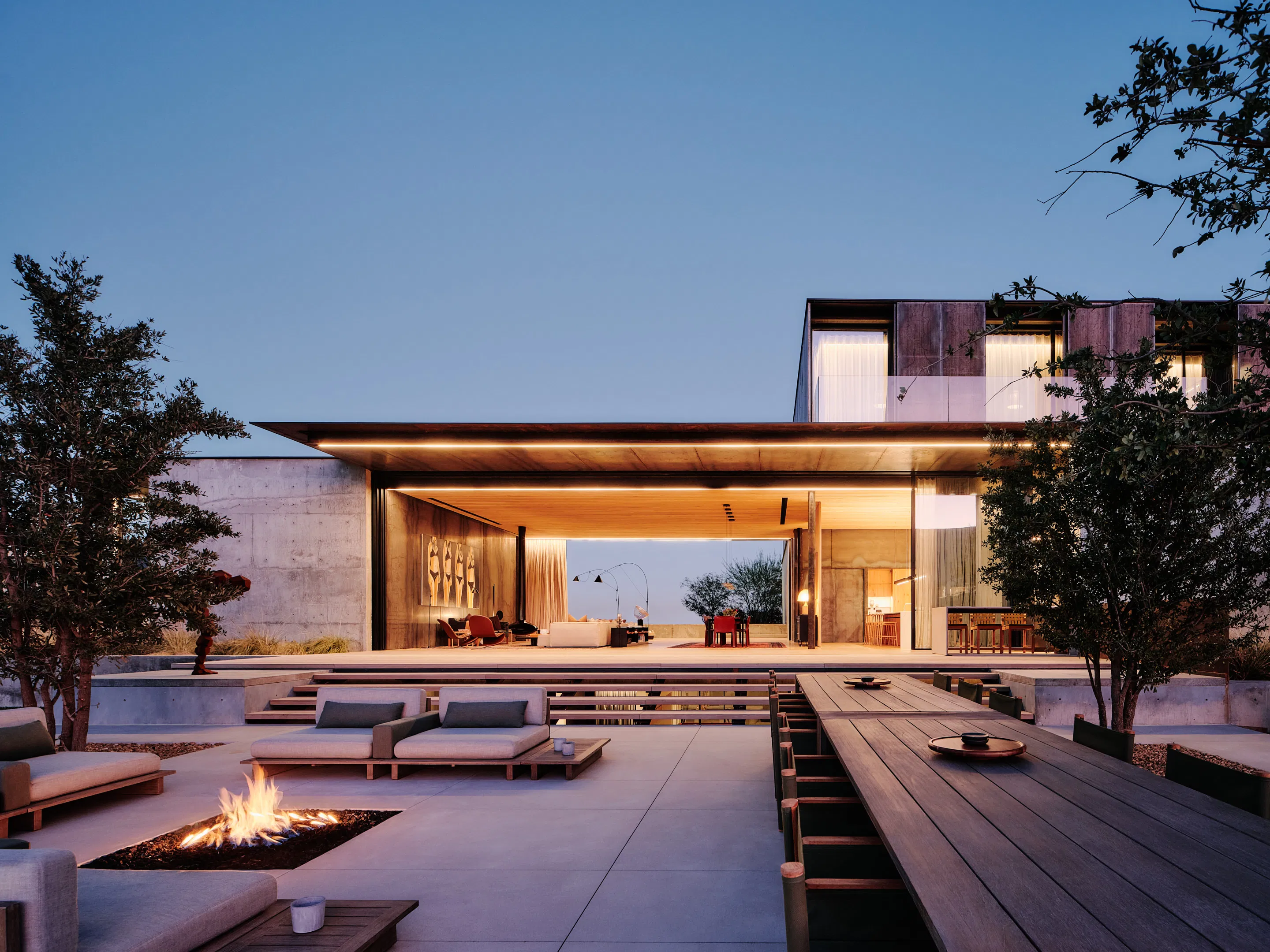
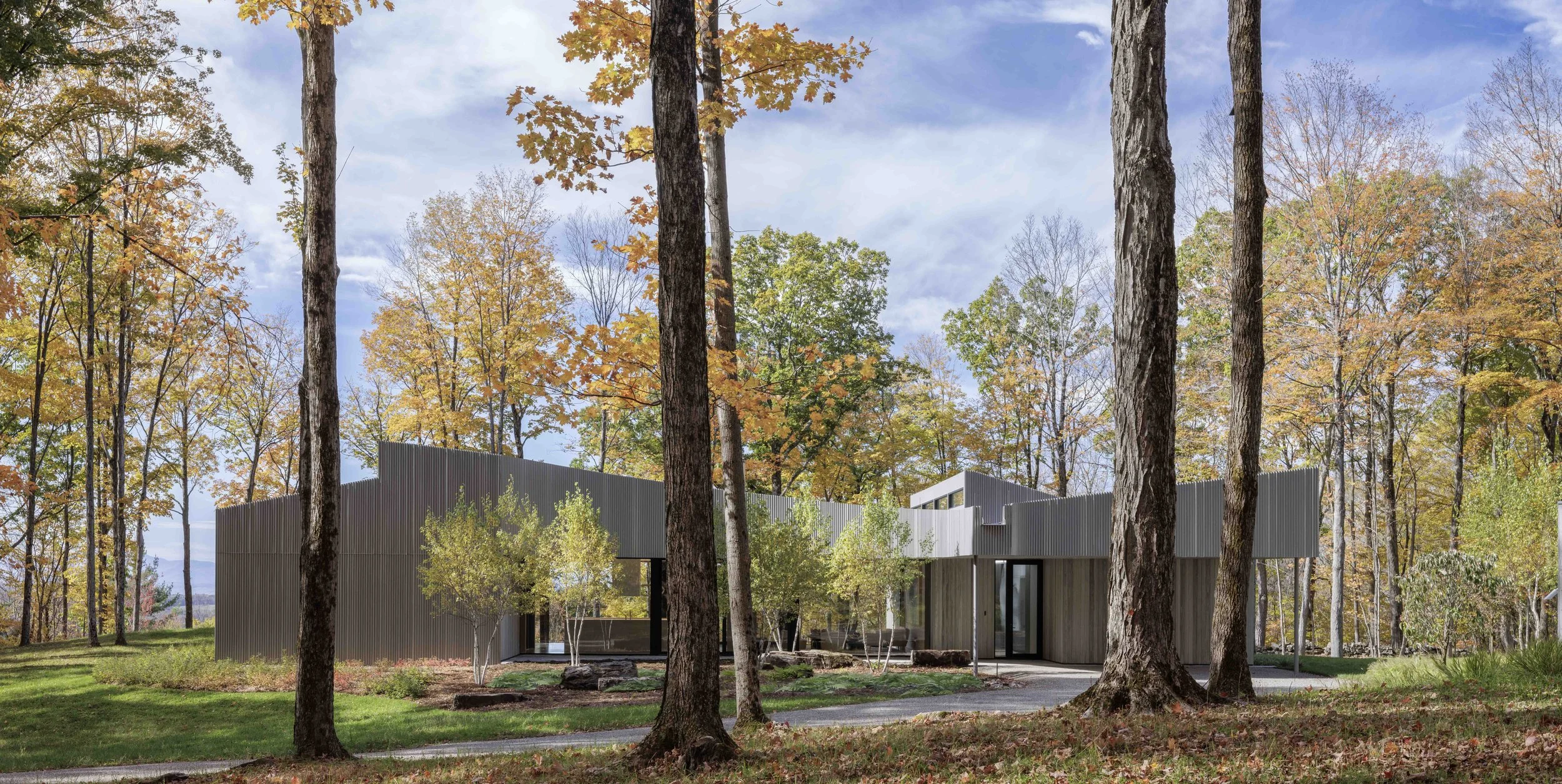
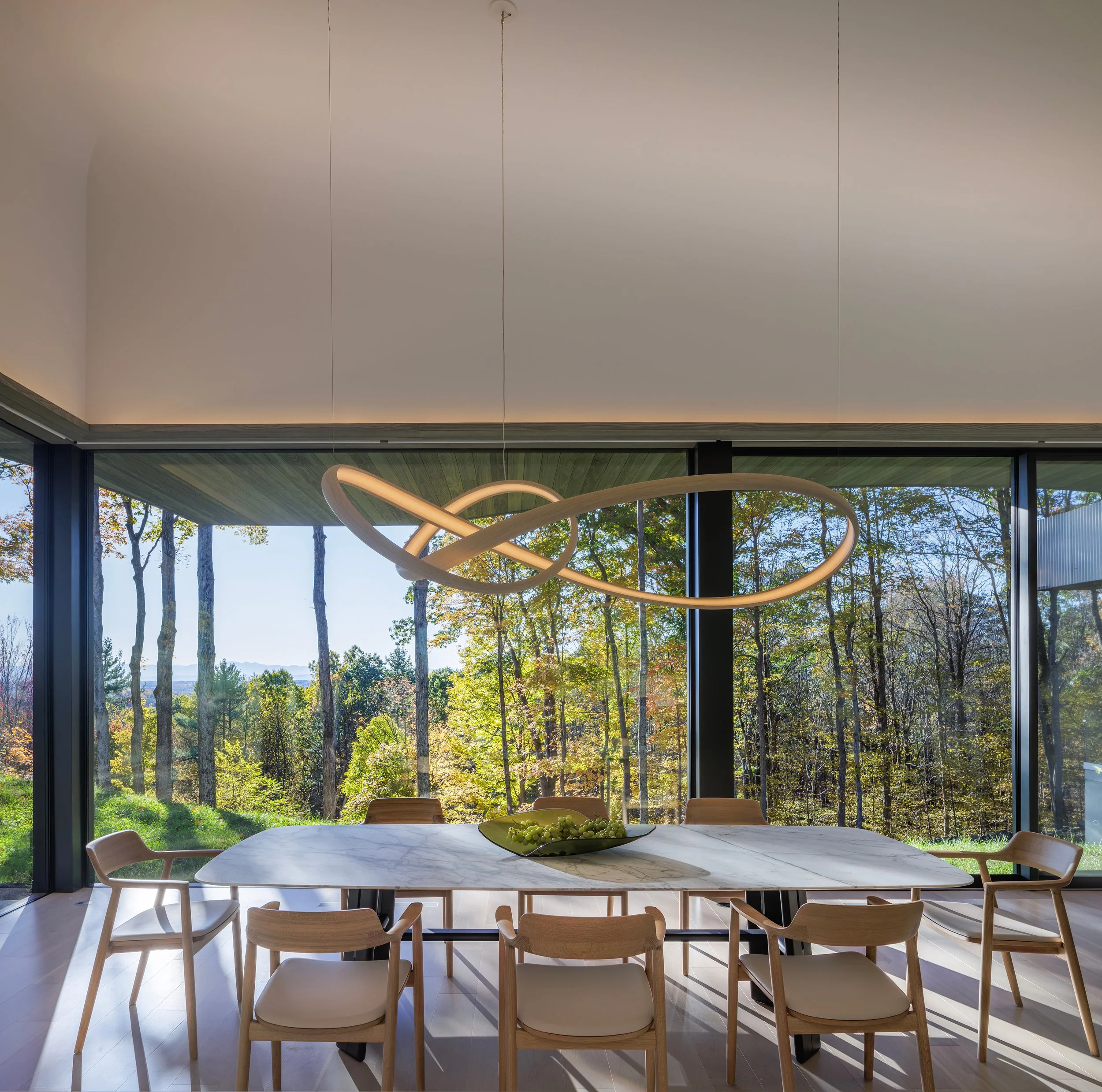
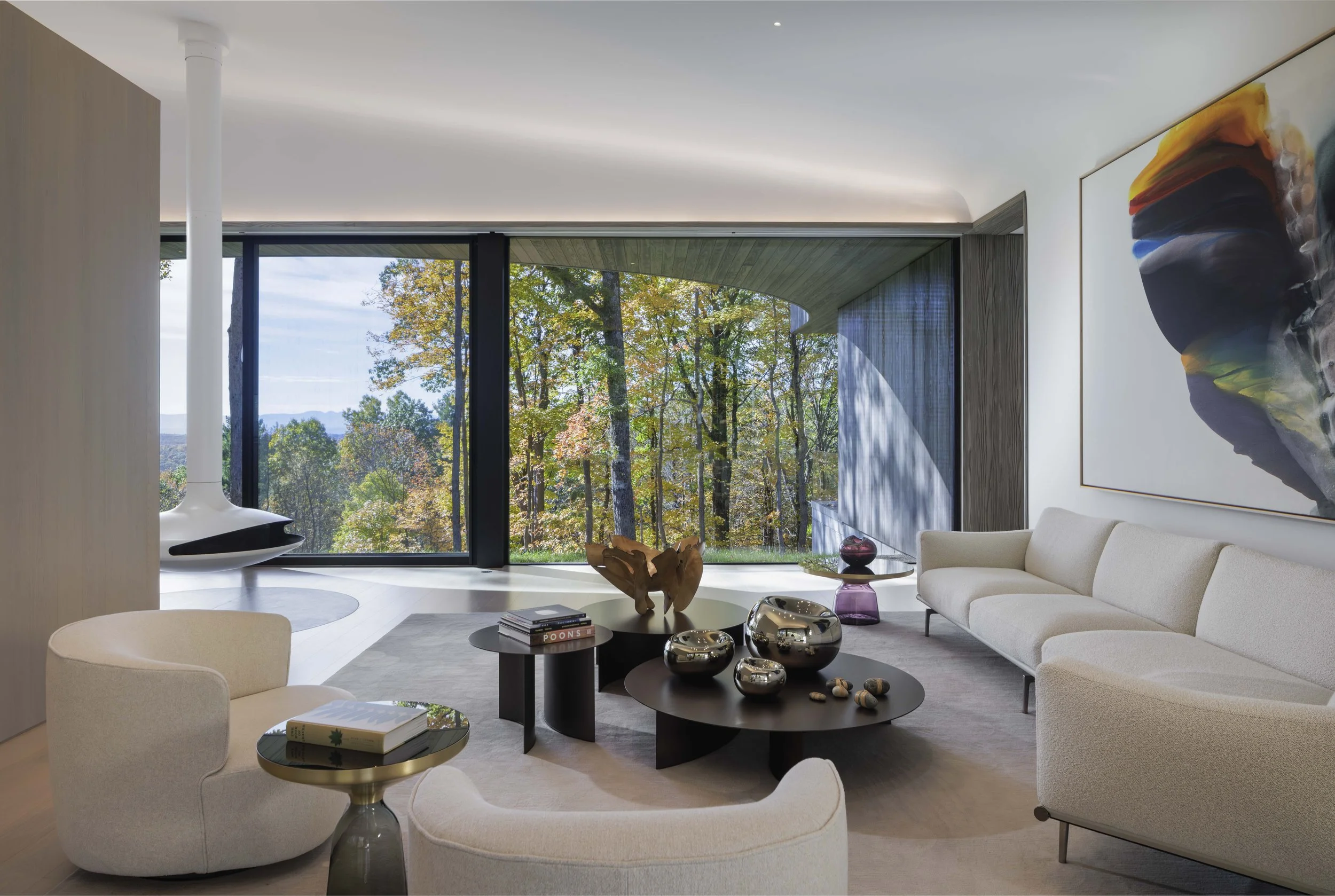
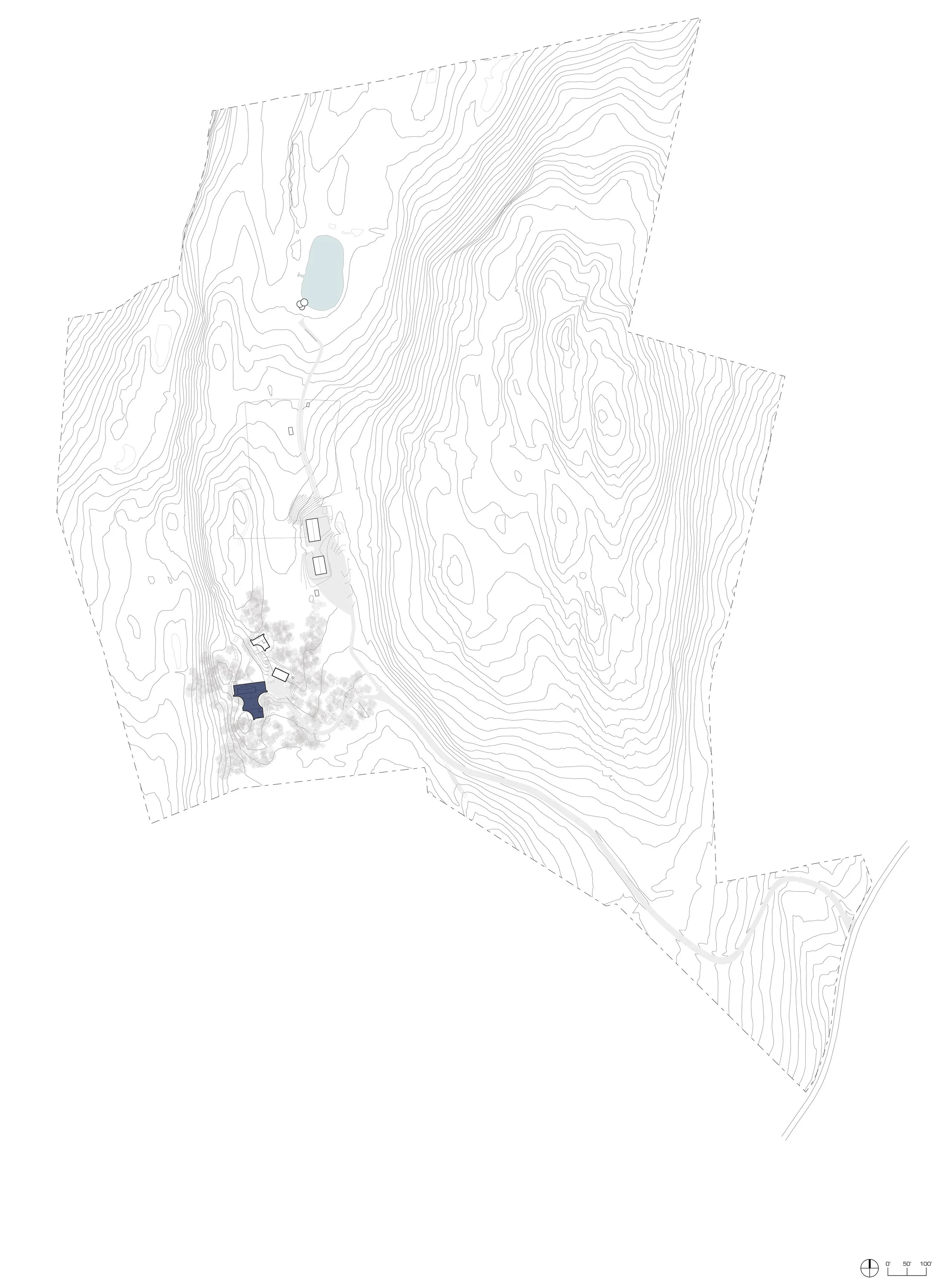
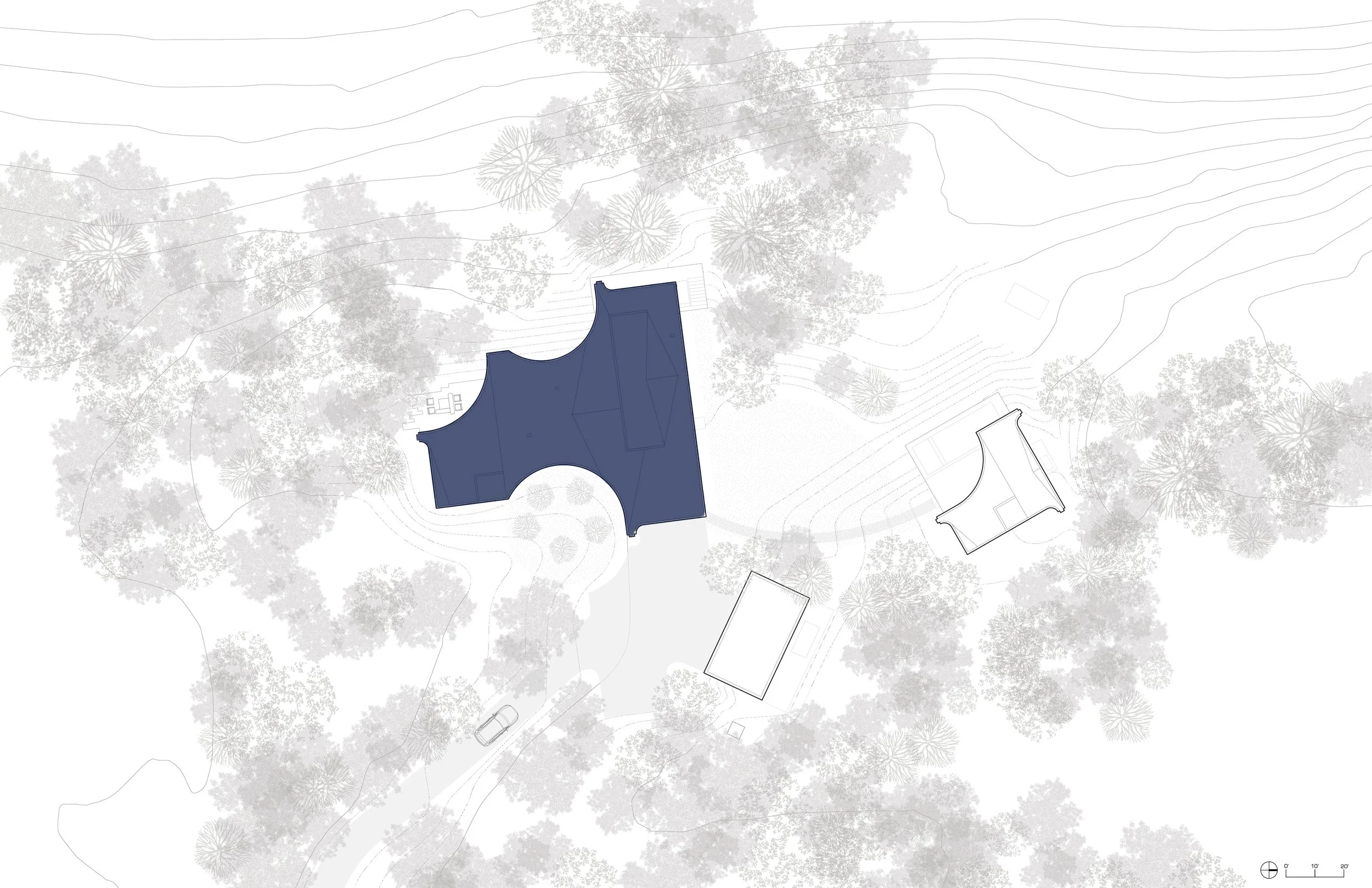
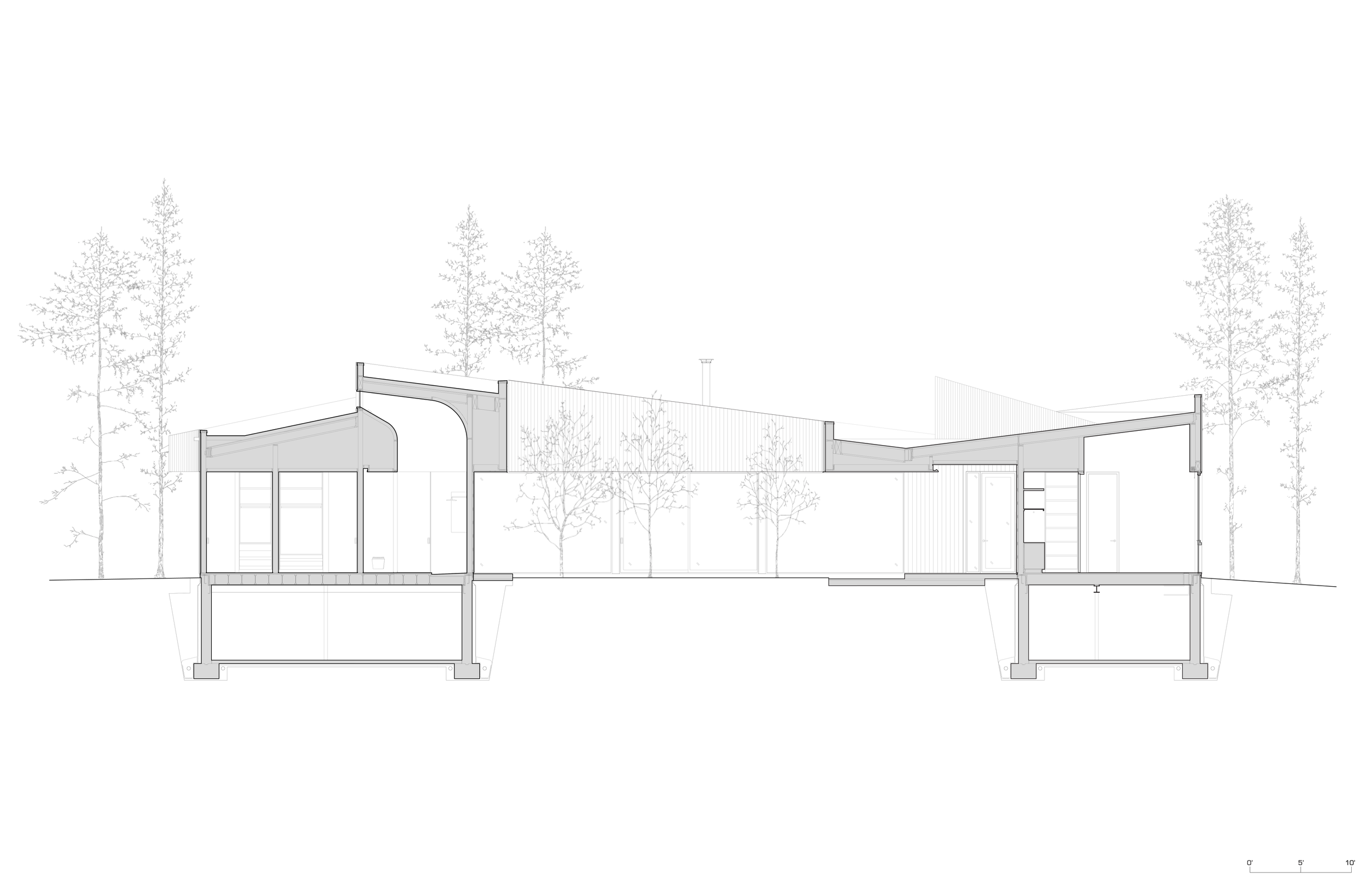
Forest house architecture defines the design strategy behind Chatham Residence, a private rural retreat designed by Desai Chia Architecture in Columbia County, New York. Positioned within a vast wooded landscape near the Catskill Mountains, the project explores how architecture can quietly coexist with nature while offering a refined living environment for its residents.
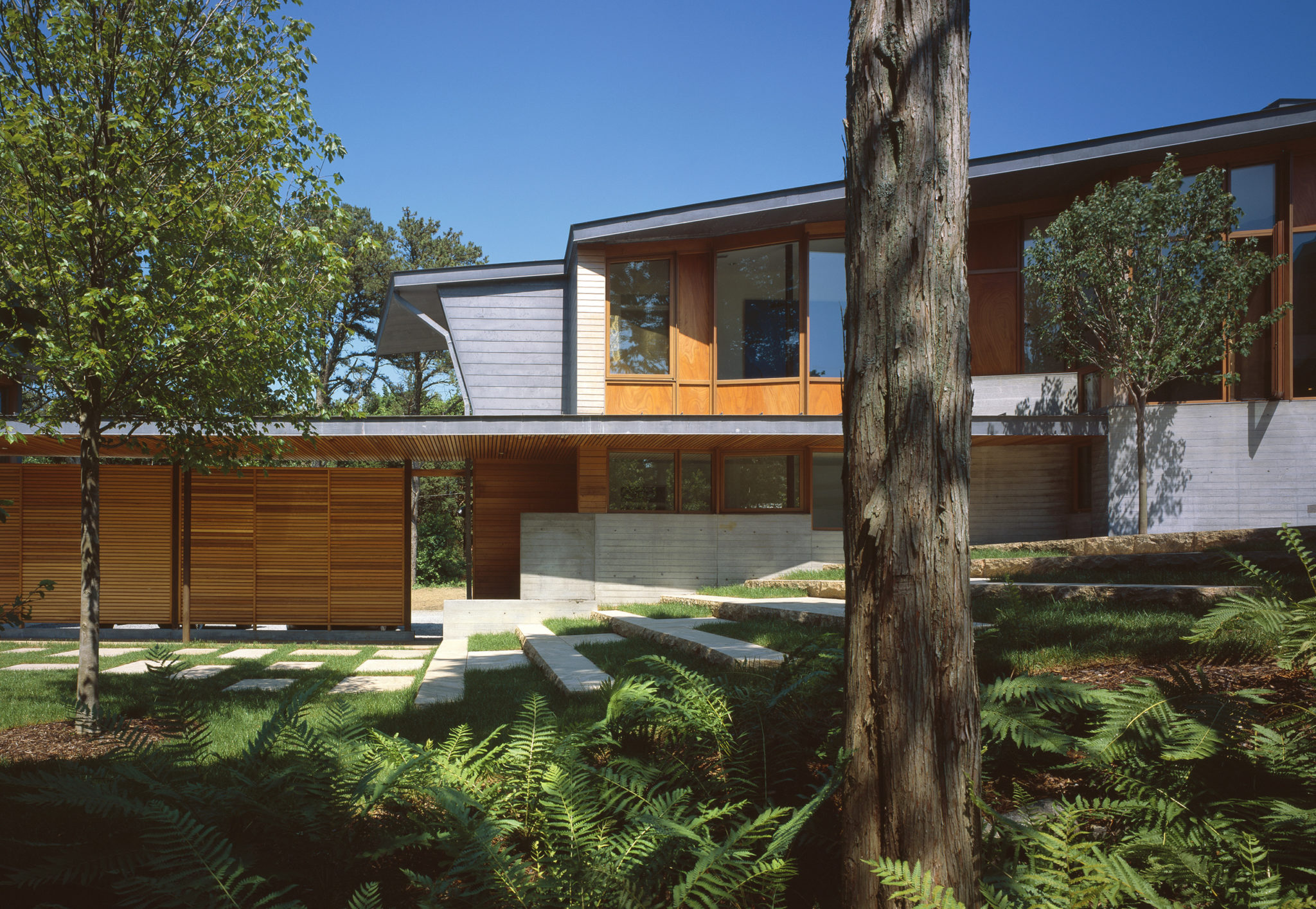
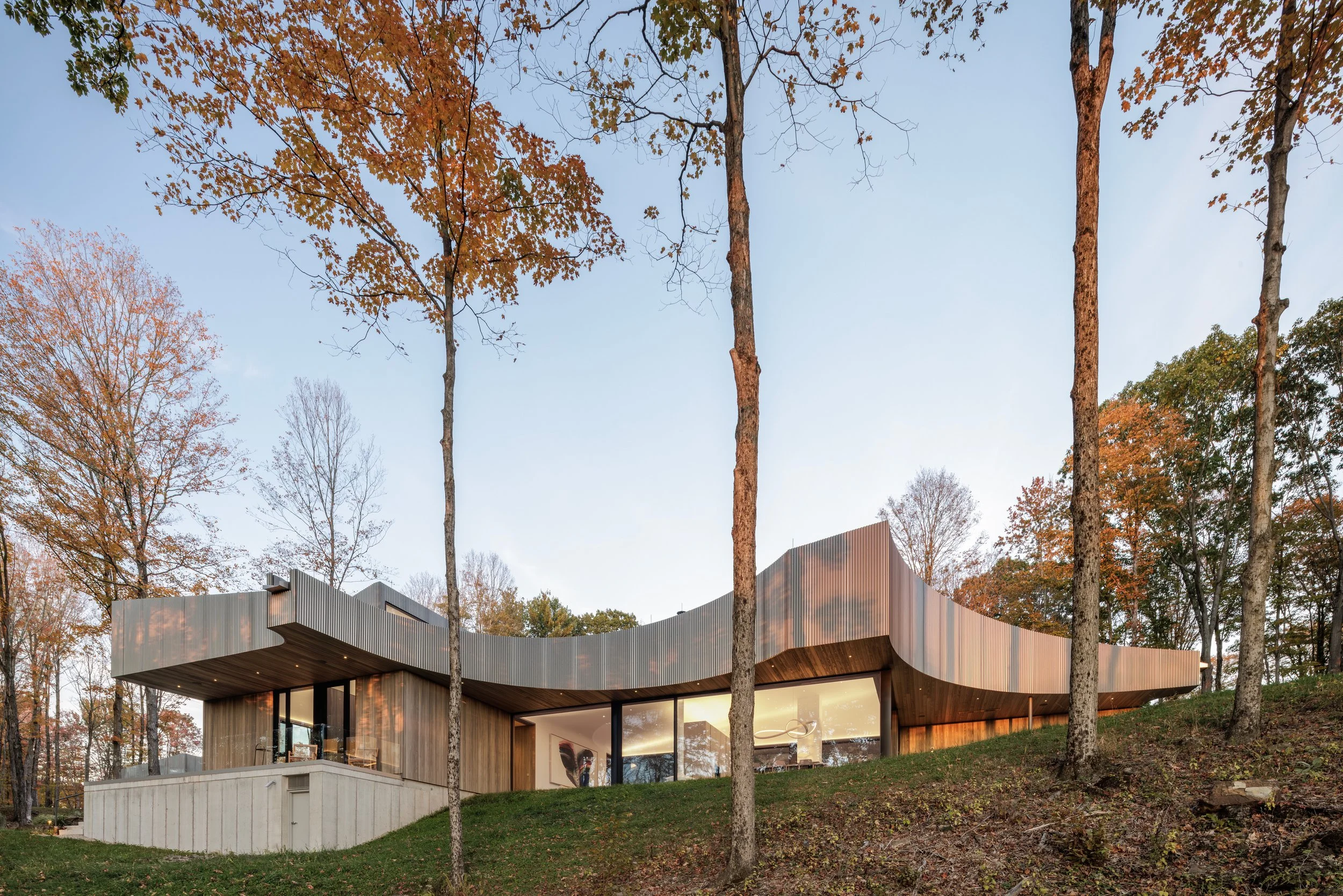
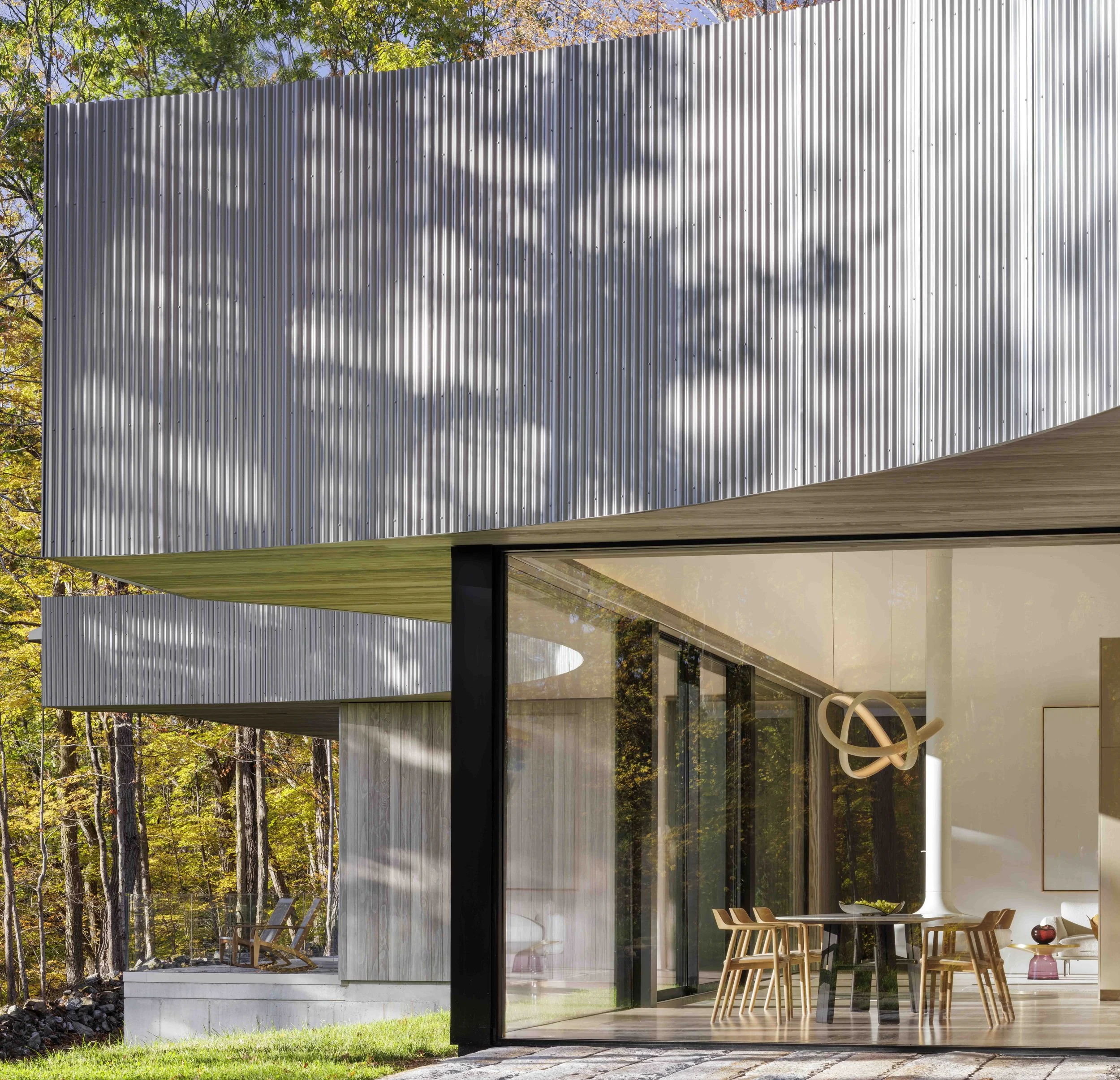
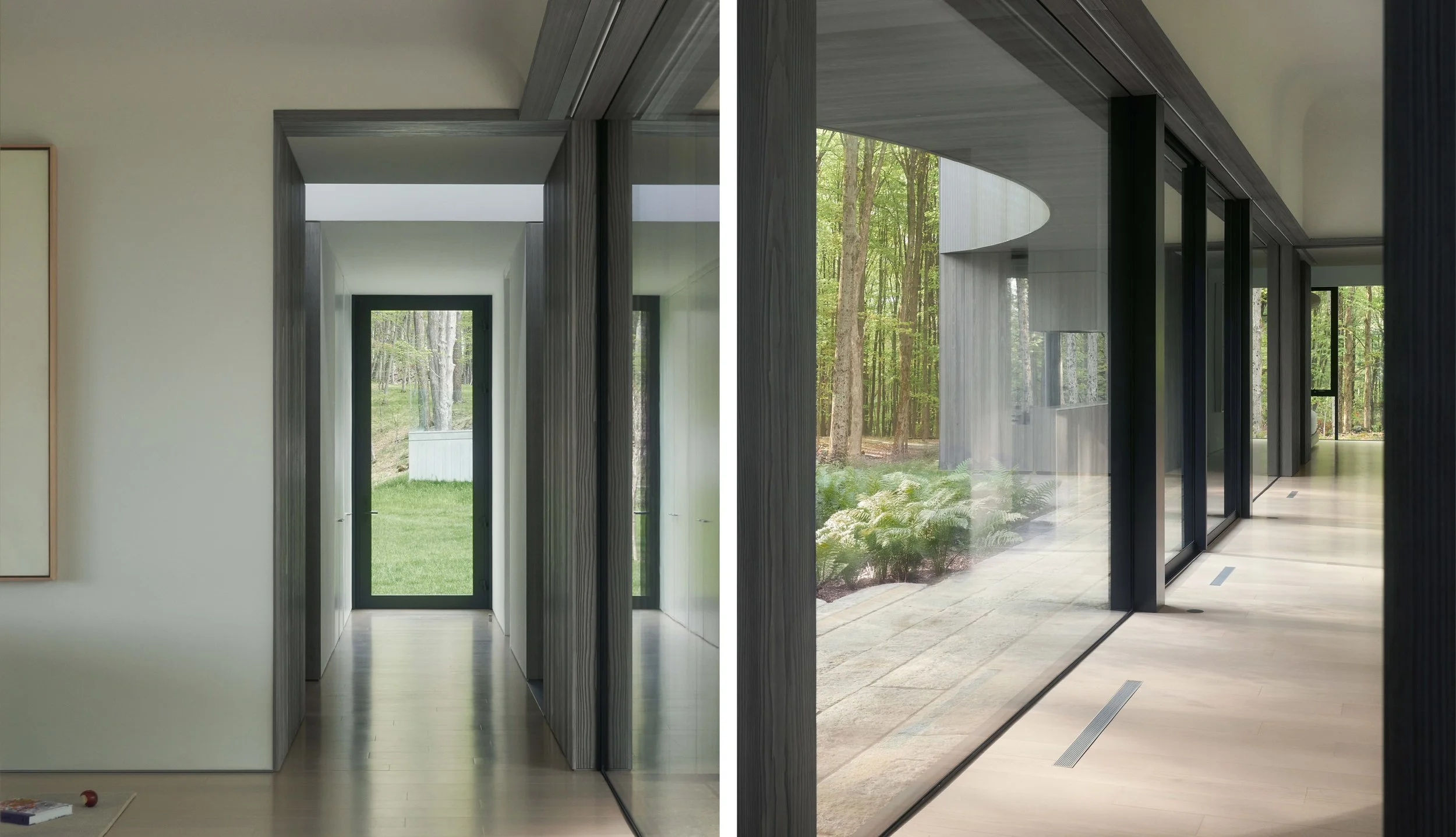
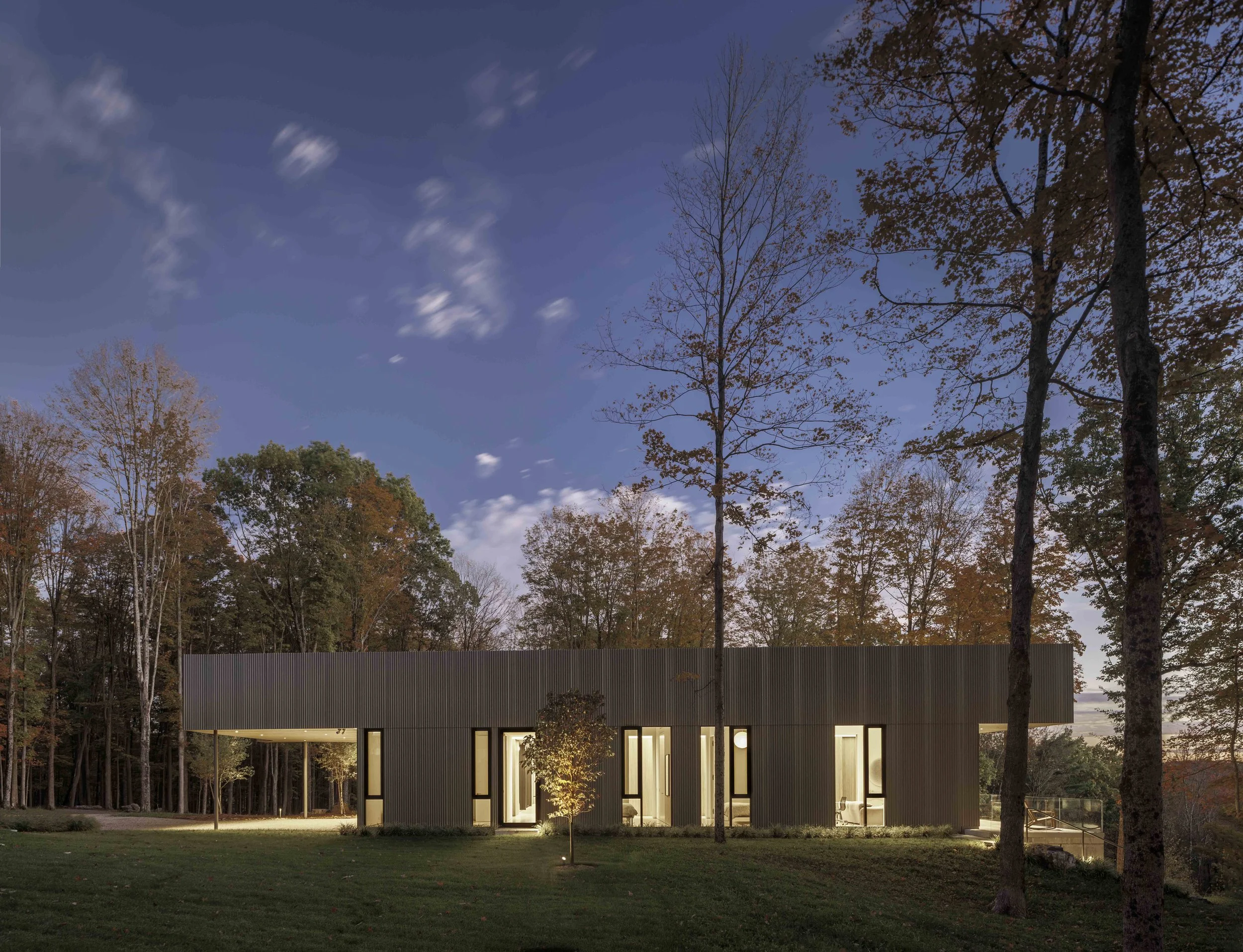
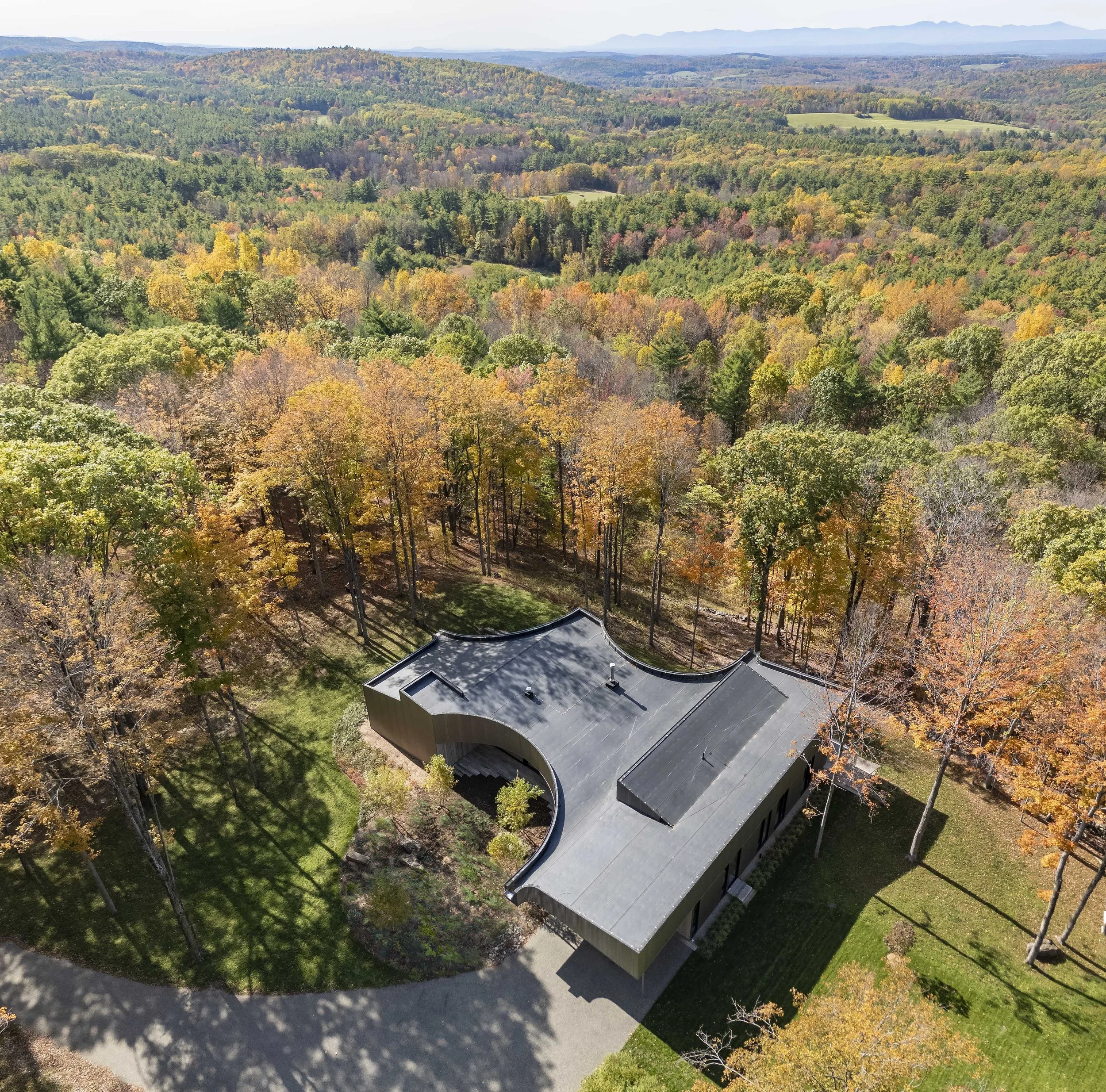
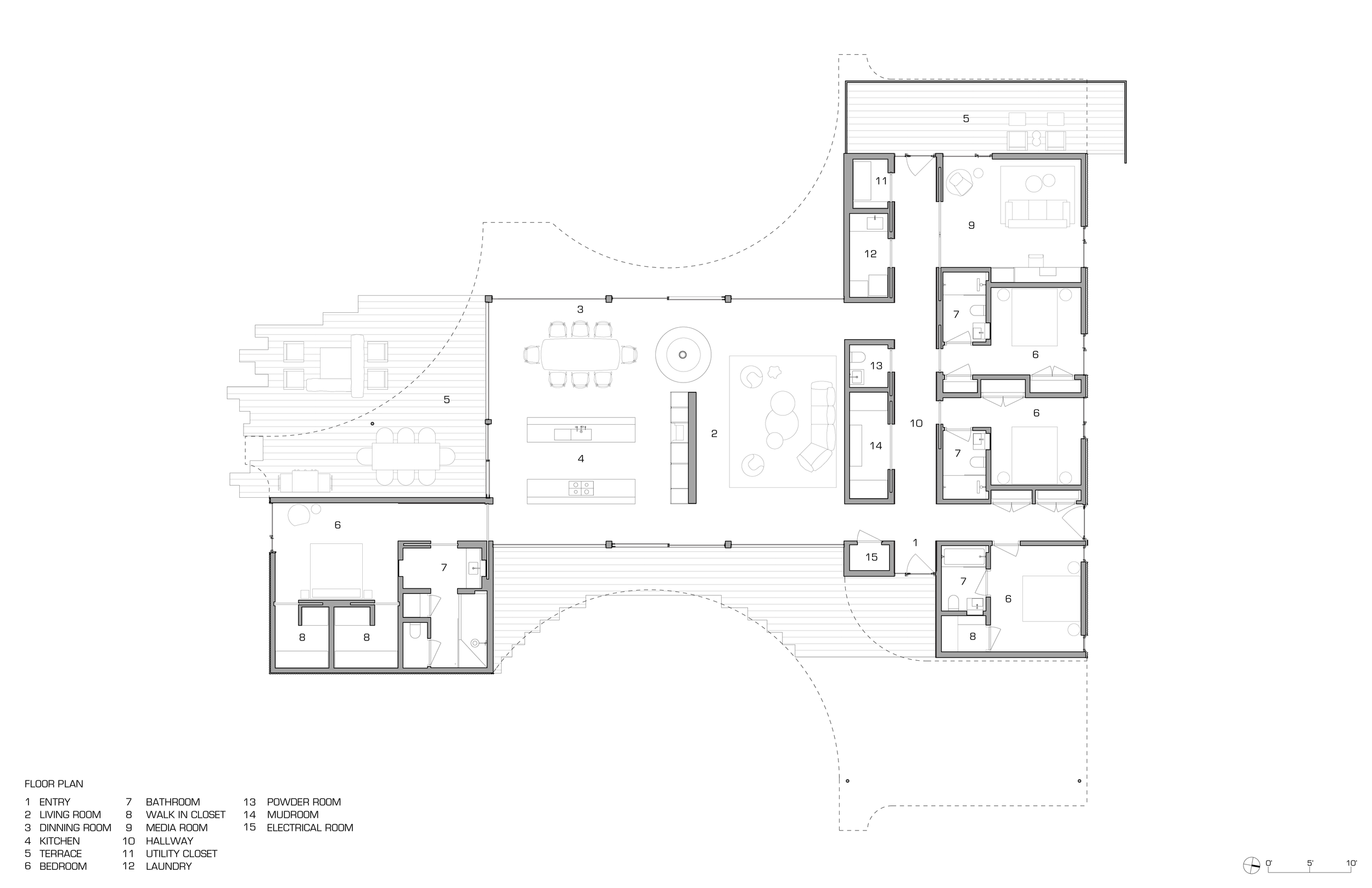
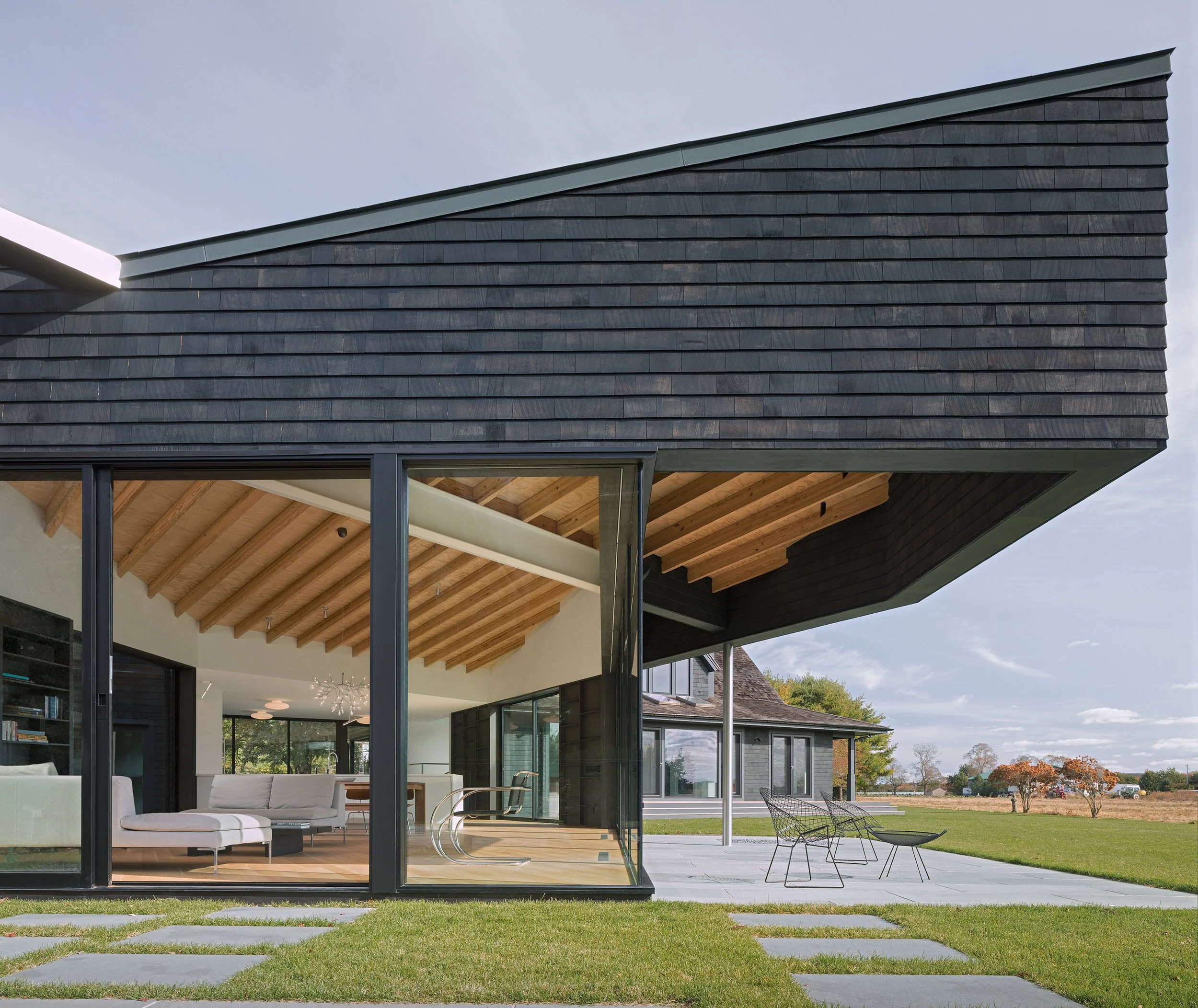
The residence sits on an expansive rural property characterized by forests, open meadows, and natural topography. Rather than imposing a dominant structure onto the site, the architects developed a low, elongated building that follows the contours of the land. The house is composed as a series of interconnected volumes organized around a central living pavilion, allowing views to extend directly through the building toward the surrounding mountains and forest. Large glass surfaces create visual continuity between interior spaces and the landscape, transforming the environment into an ever-present architectural element.
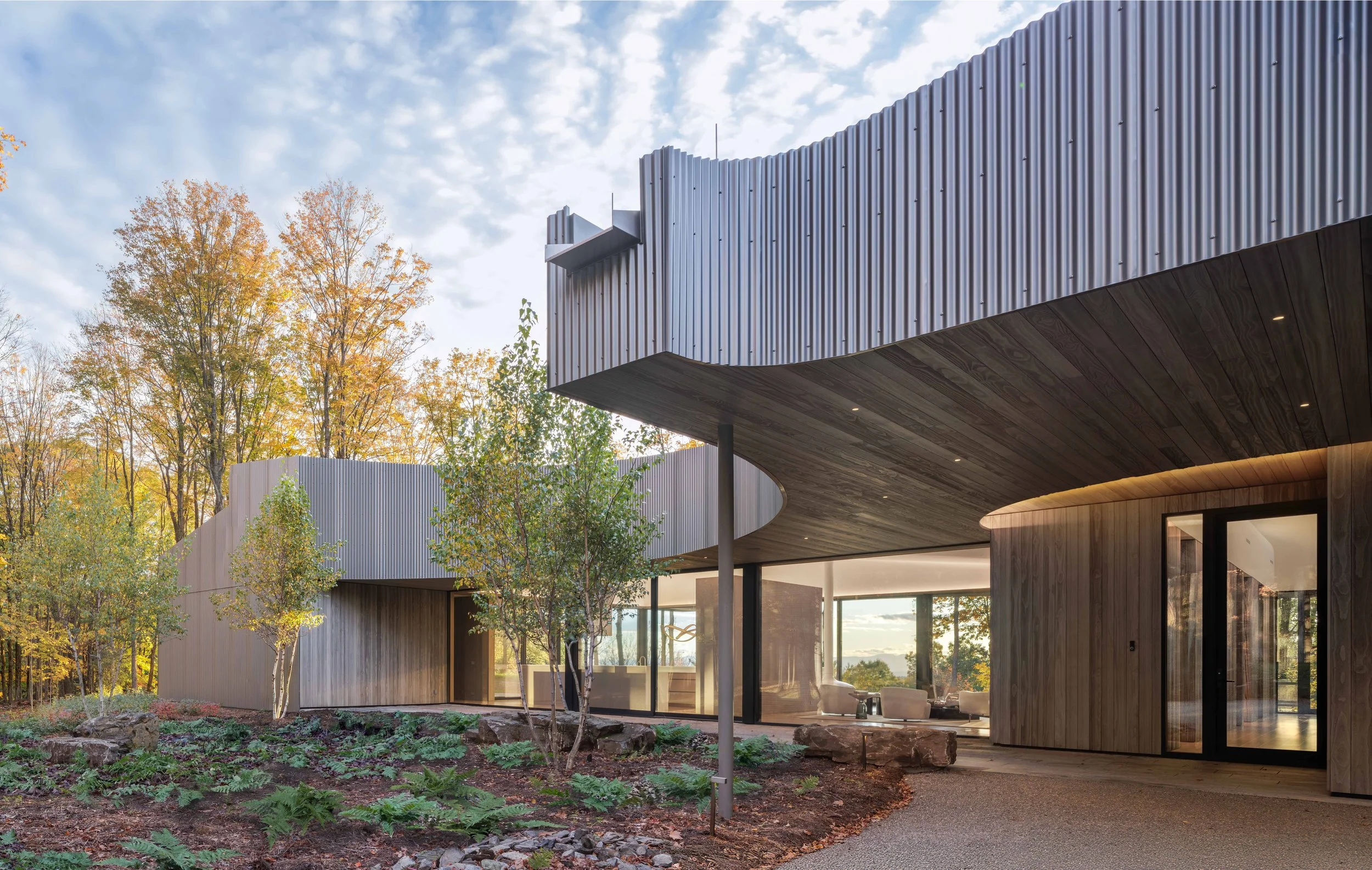
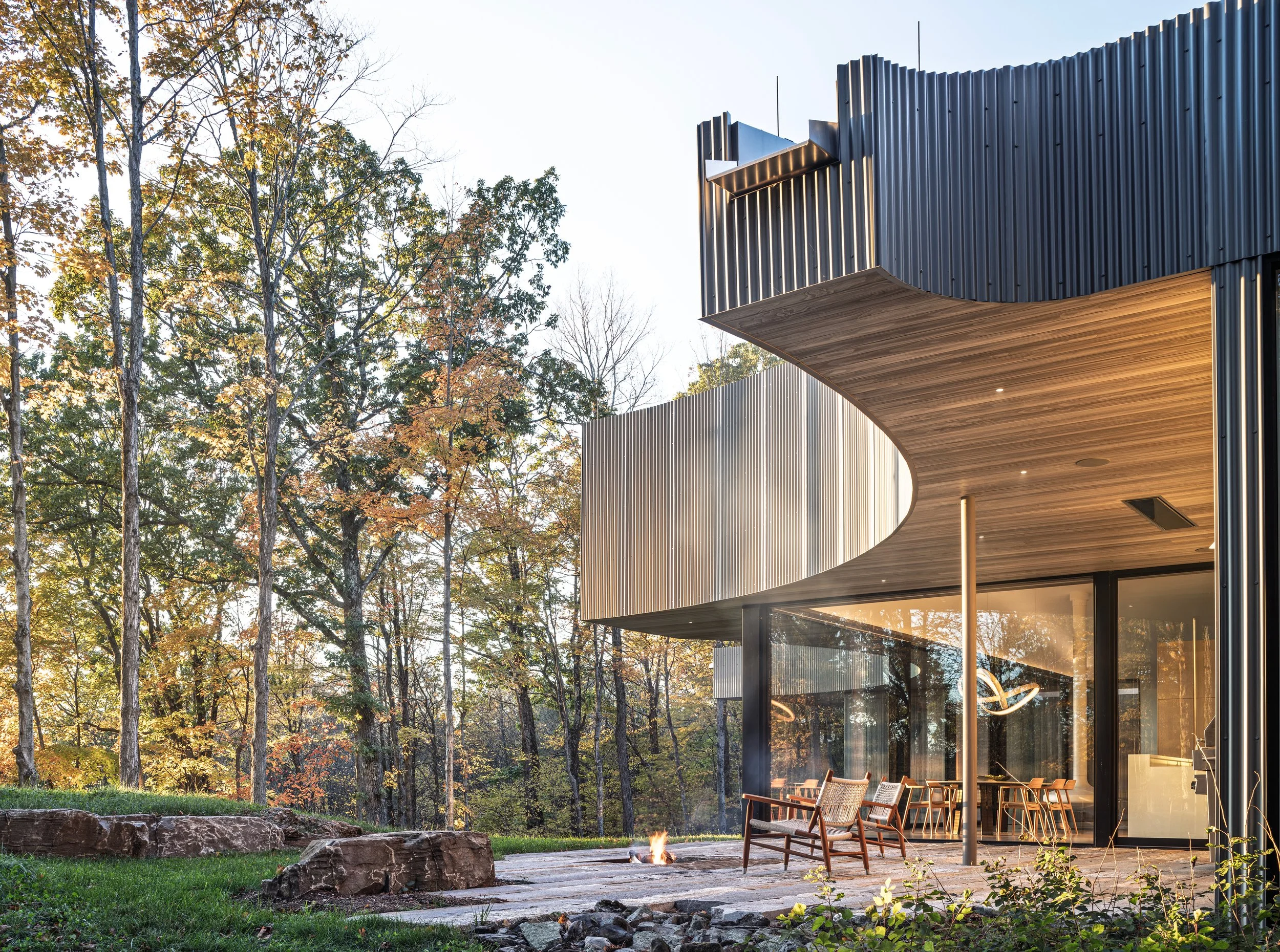
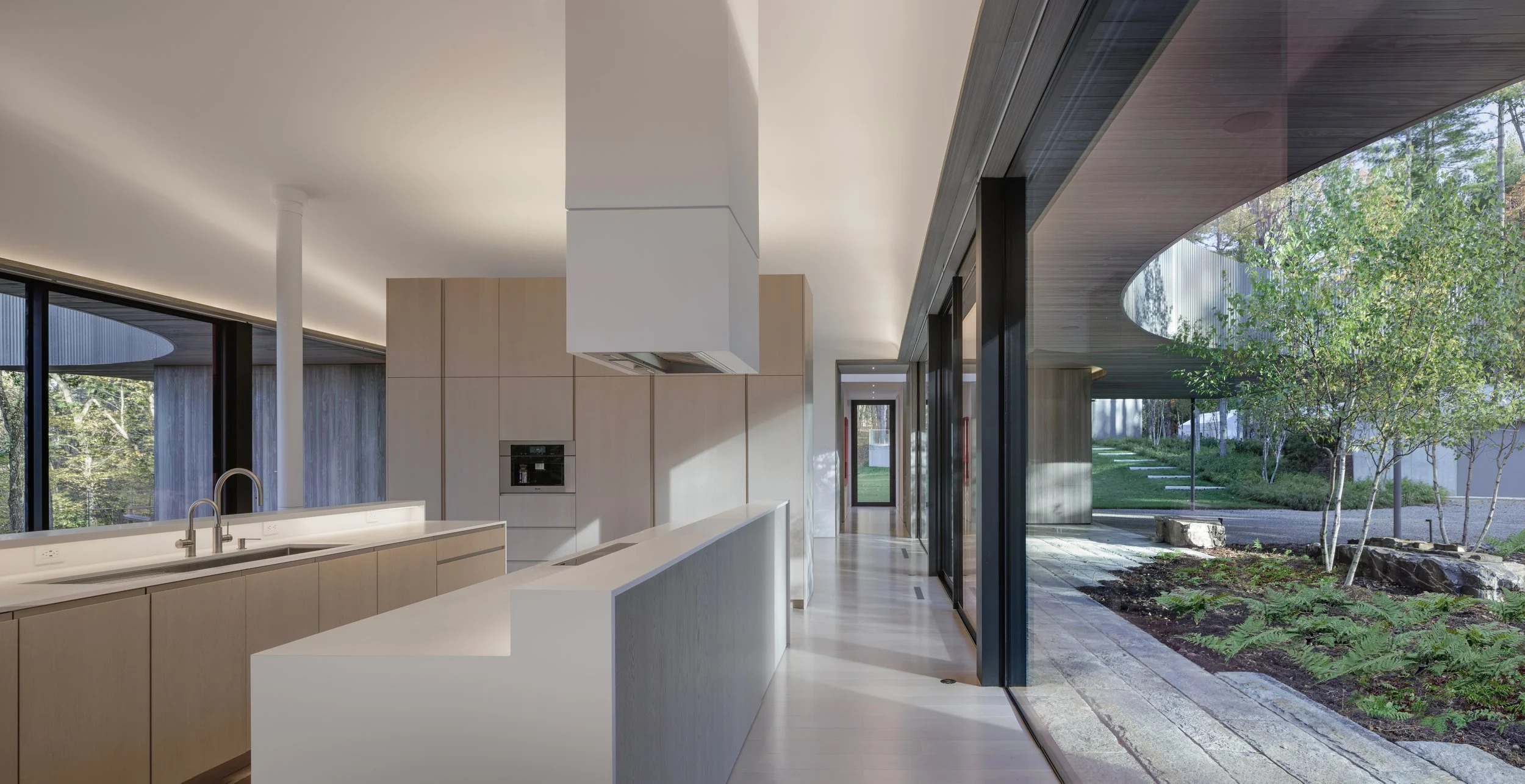
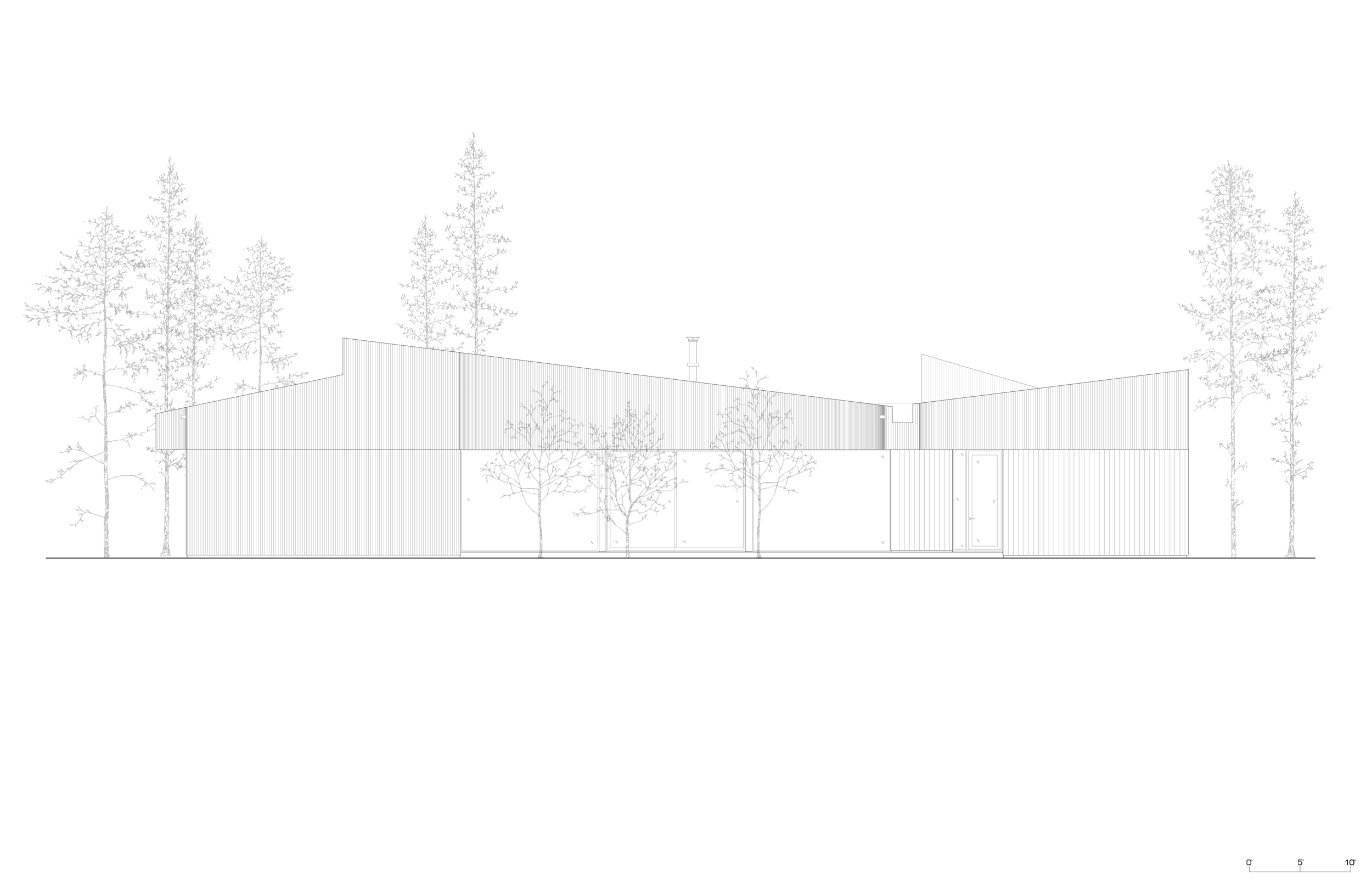
A defining feature of the project is its sweeping curved roof, whose form was inspired by the natural silhouette of oak leaves found across the site. This sculptural roof structure not only shapes the architectural identity of the residence but also performs environmental functions by directing rainwater and creating deep overhangs that protect outdoor living areas. The roof’s extended canopy softens the boundary between interior and exterior spaces, allowing terraces and sheltered outdoor rooms to merge with the surrounding forest.
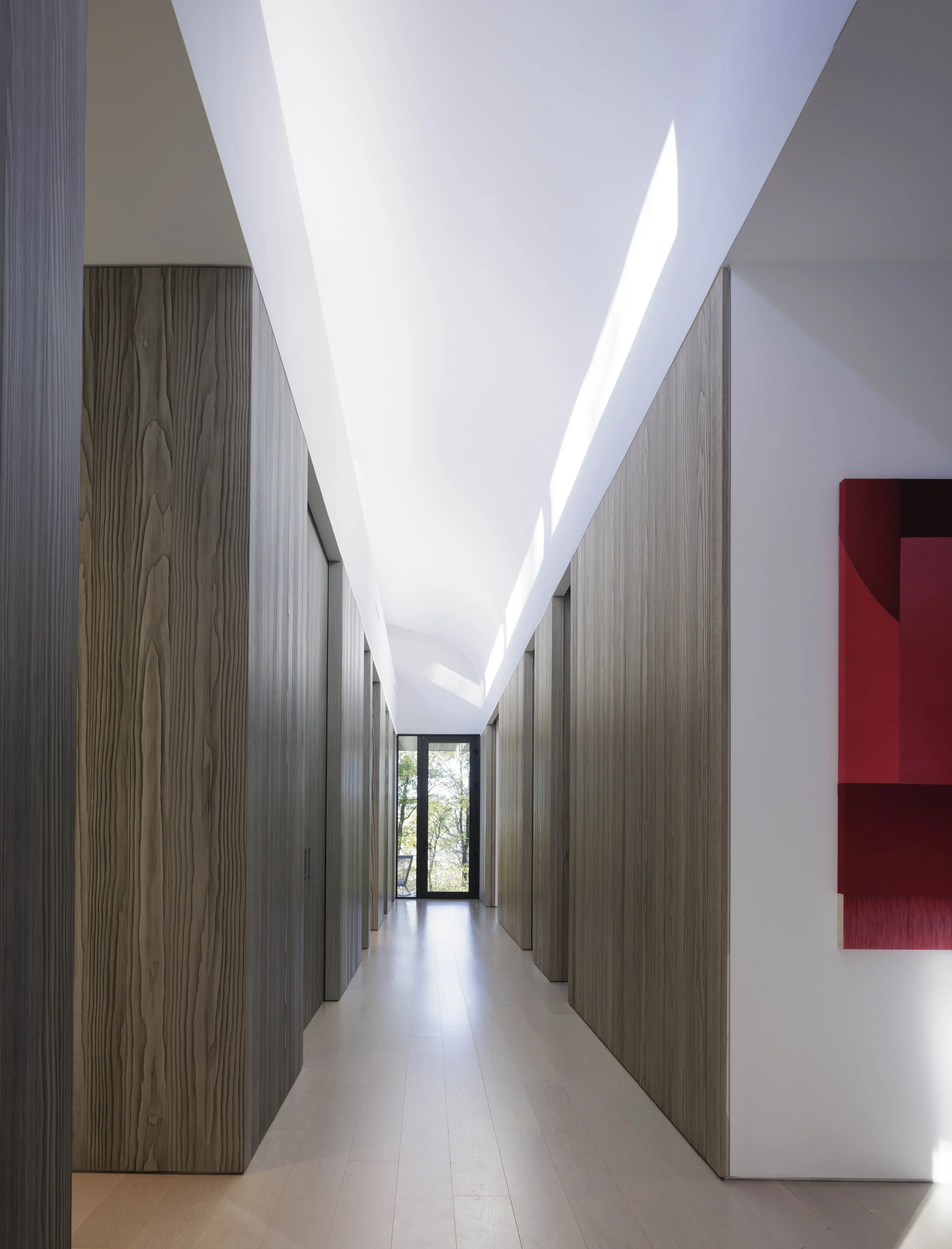
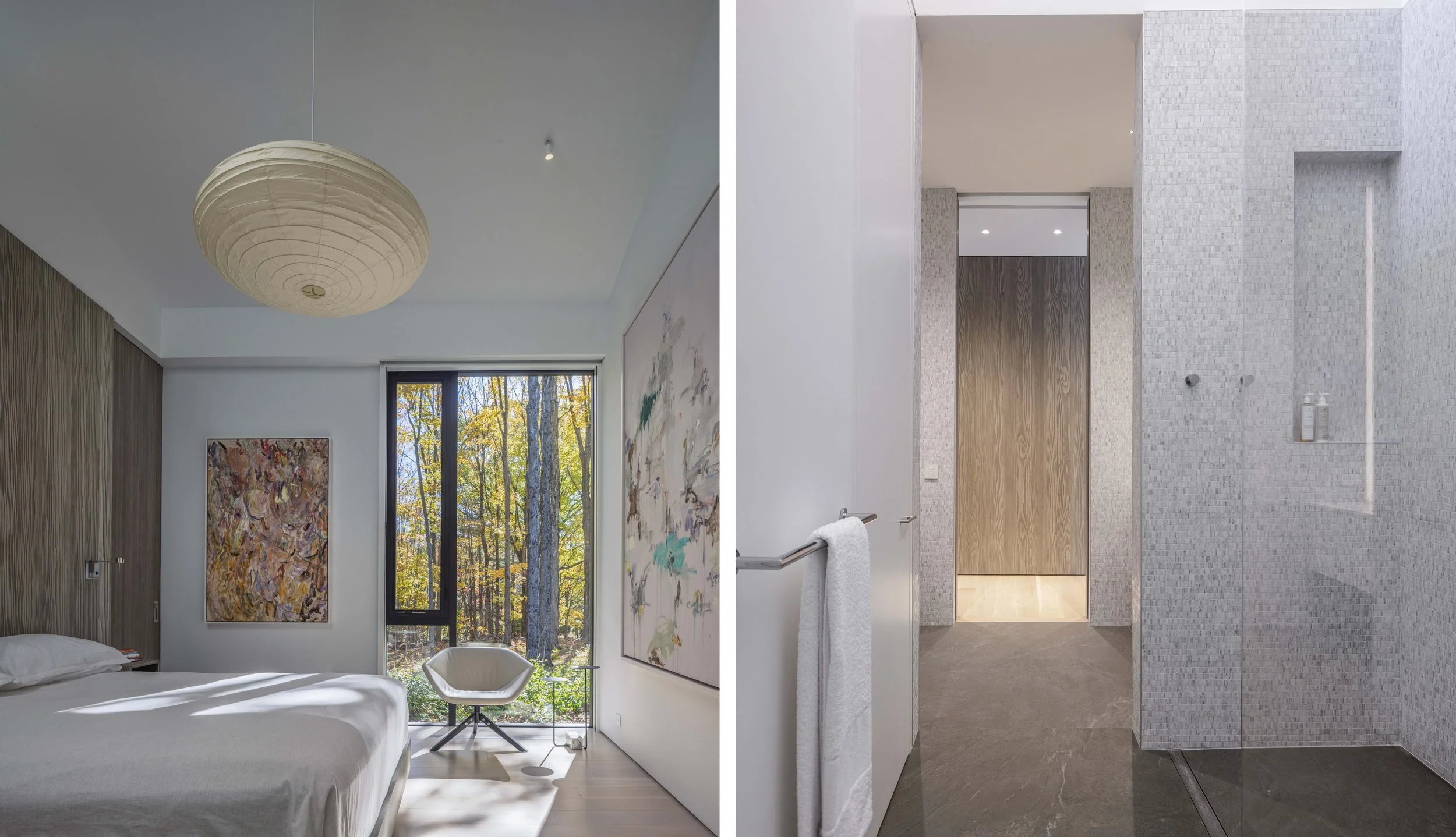
Internally, the home is organized into three primary zones: a central glazed living pavilion and two flanking wings containing the private bedroom areas and guest accommodations. Circulation corridors act as spatial transitions between these zones while maintaining long views across the property. Clerestory windows and light scoops introduce diffuse daylight deep into the interior, creating calm, softly illuminated spaces throughout the day.
Material selection reinforces the relationship between architecture and the rural landscape. Corrugated aluminum panels and wood board siding echo agricultural structures commonly found in the region, while interior finishes such as oak flooring introduce warmth and tactile contrast. Together these elements balance precision and practicality, producing a home that feels both contemporary and grounded in its environment.
Beyond the main residence, the project expands into a broader rural compound that includes additional structures such as a guest house, agricultural facilities, and landscape interventions across the property. The result is a living environment that encourages daily interaction with the land while maintaining a strong architectural identity rooted in place.
More Single-Family House Projects
View all →
More Projects from United States
View all →