Tropicario Bogotá Botanic Garden
 16 photos
About the Project
Tropicario Bogotá Botanic Garden, designed by DARP – De Arquitectura y Paisaje, is a large-scale environmental and educational project located within the Bogotá Botanical Garden. The project emerges as a response to the ecological degradation of wetlands in the Bogotá Savanna, where urban expansion has reduced natural wetland areas to only a small fraction of their original extent.
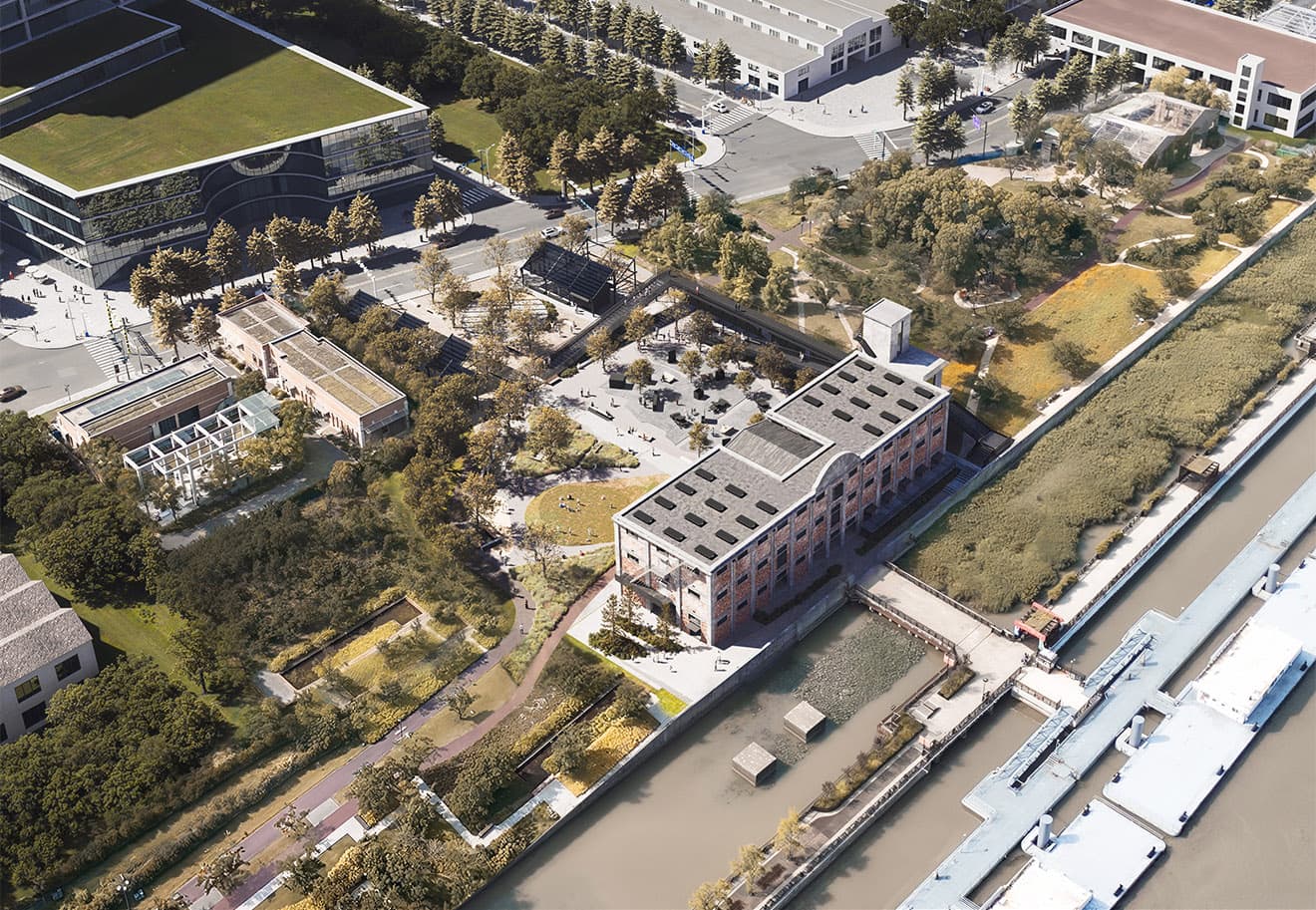
The Tropicario serves as the main infrastructure of a broader initiative aimed at protecting and showcasing Colombia’s most threatened ecosystems. It functions as an exhibition and research space, promoting environmental awareness and biodiversity through architecture. The project is built on the footprint of a deteriorated previous structure, while preserving key natural elements such as the surrounding wax palms—an endangered species that significantly influenced the design strategy.
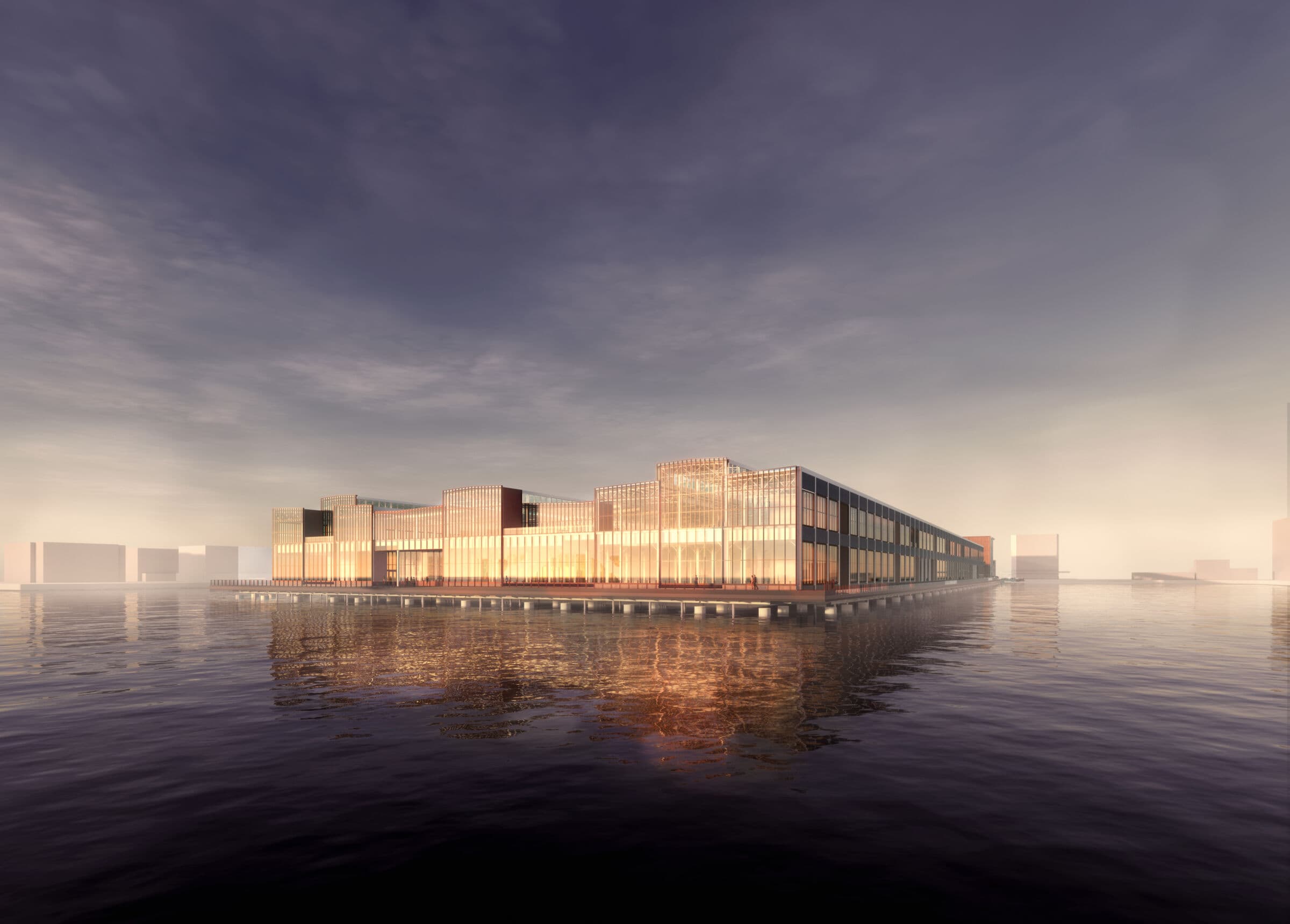
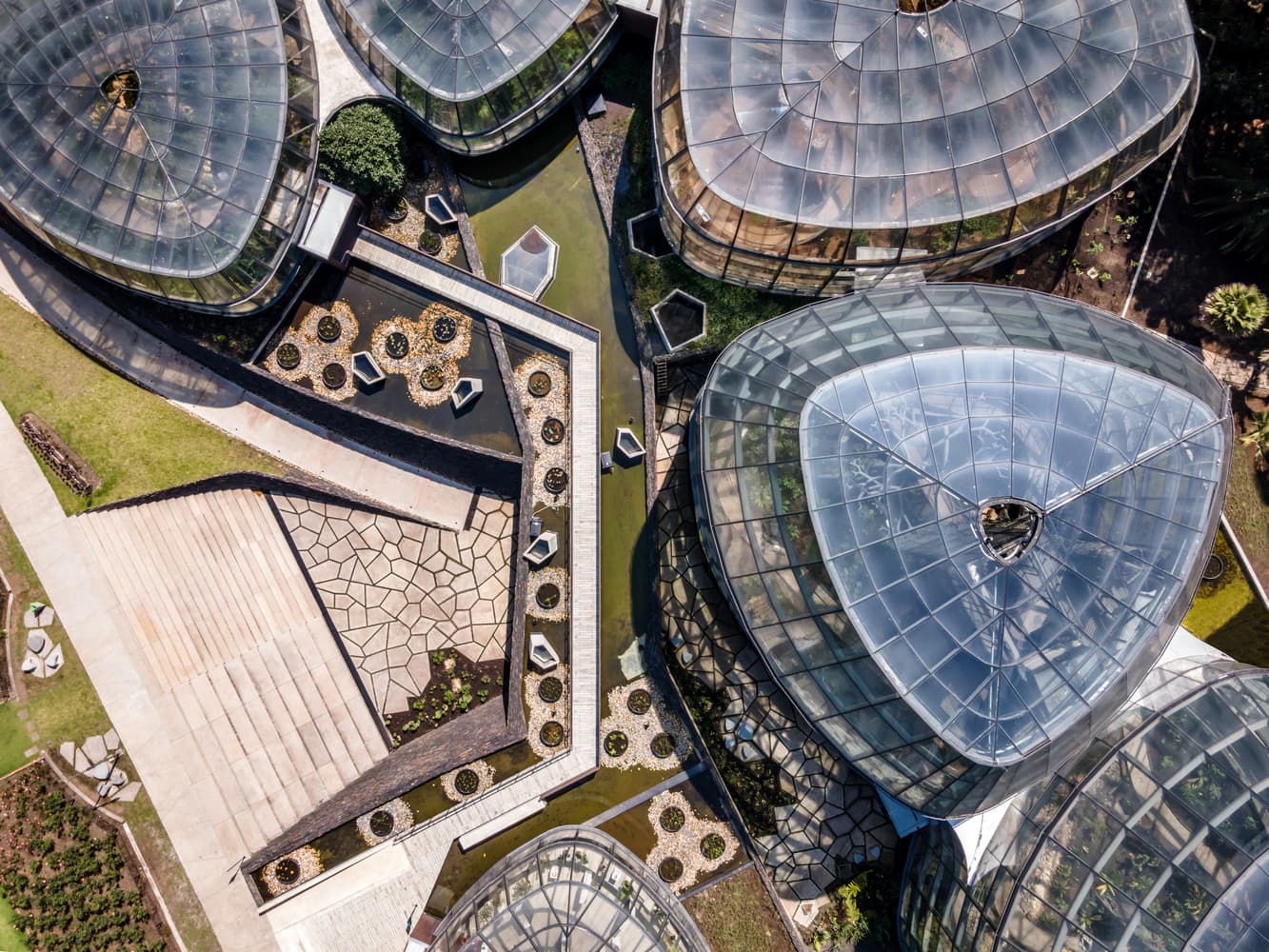
Architecturally, the project is conceived as a system of interconnected parts forming a cohesive whole. Six independent yet related glazed volumes are distributed across the site, each representing a specific ecosystem: humid forest, dry forest, special collections, useful plants, superpáramo, and biodiversity. These volumes are designed as “floating” modules within an artificial wetland, referencing pre-Hispanic strategies such as floating agricultural systems.
The structures are elevated and carefully positioned to minimize impact on the existing landscape, particularly the preserved palm trees. Each volume incorporates advanced passive environmental systems, including controlled glazing, automated openings, and natural ventilation strategies to regulate internal climates without relying heavily on mechanical systems.
Water management plays a central role in the project. Each pavilion collects rainwater through roof openings, channeling it into internal reservoirs and surrounding wetlands, creating a closed-loop system that supports irrigation and ecological balance. Through these strategies, the project integrates architecture, landscape, and environmental systems into a unified framework.
Ultimately, Tropicario is not conceived as a closed building but as an experiential landscape that educates visitors about ecological systems while physically immersing them within them. It represents a contemporary approach to public architecture where environmental awareness, spatial experience, and scientific research intersect.
The Team4
More from DARP
View studio profile