Mixed-Use · Boston, United States

4 connections
 9 photos
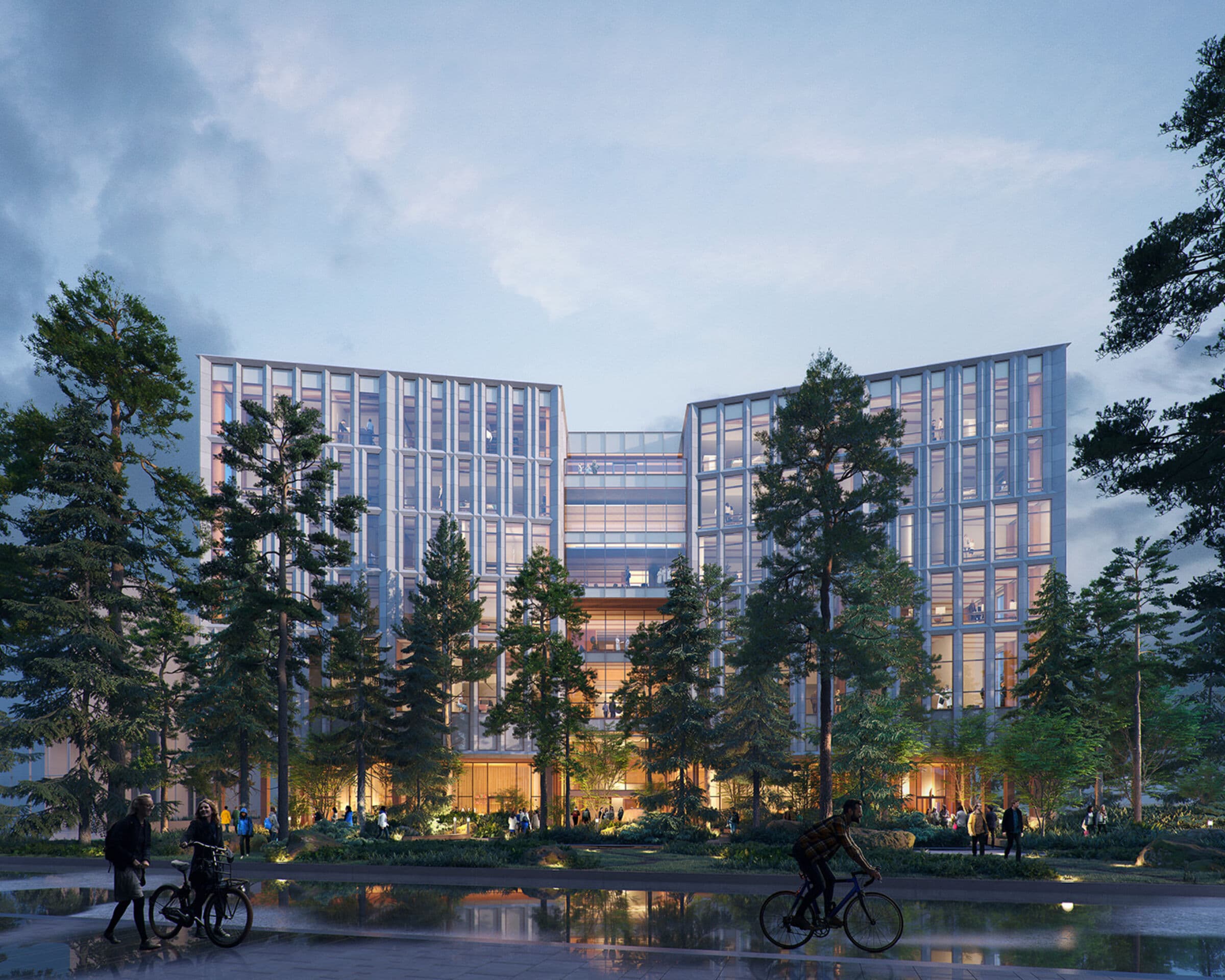
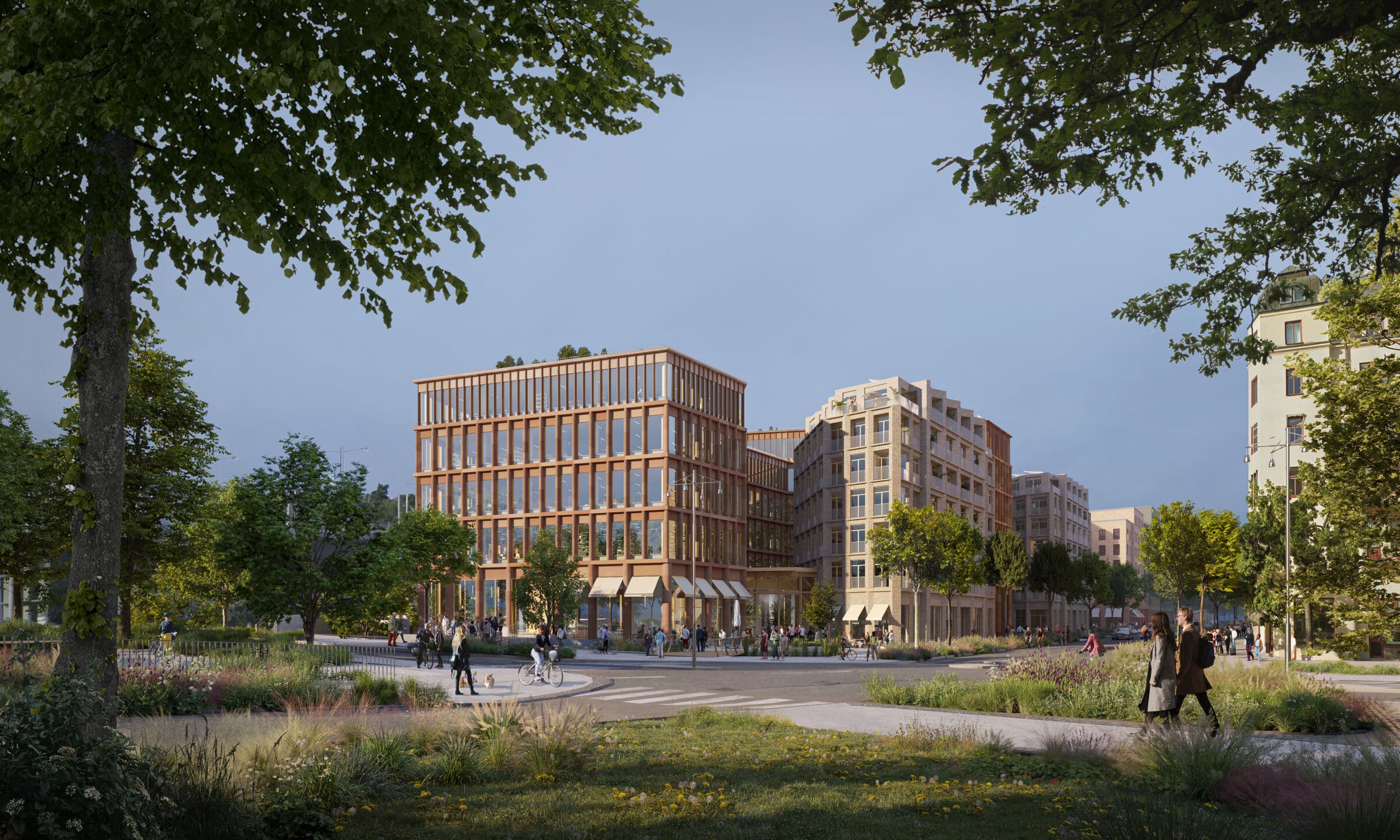
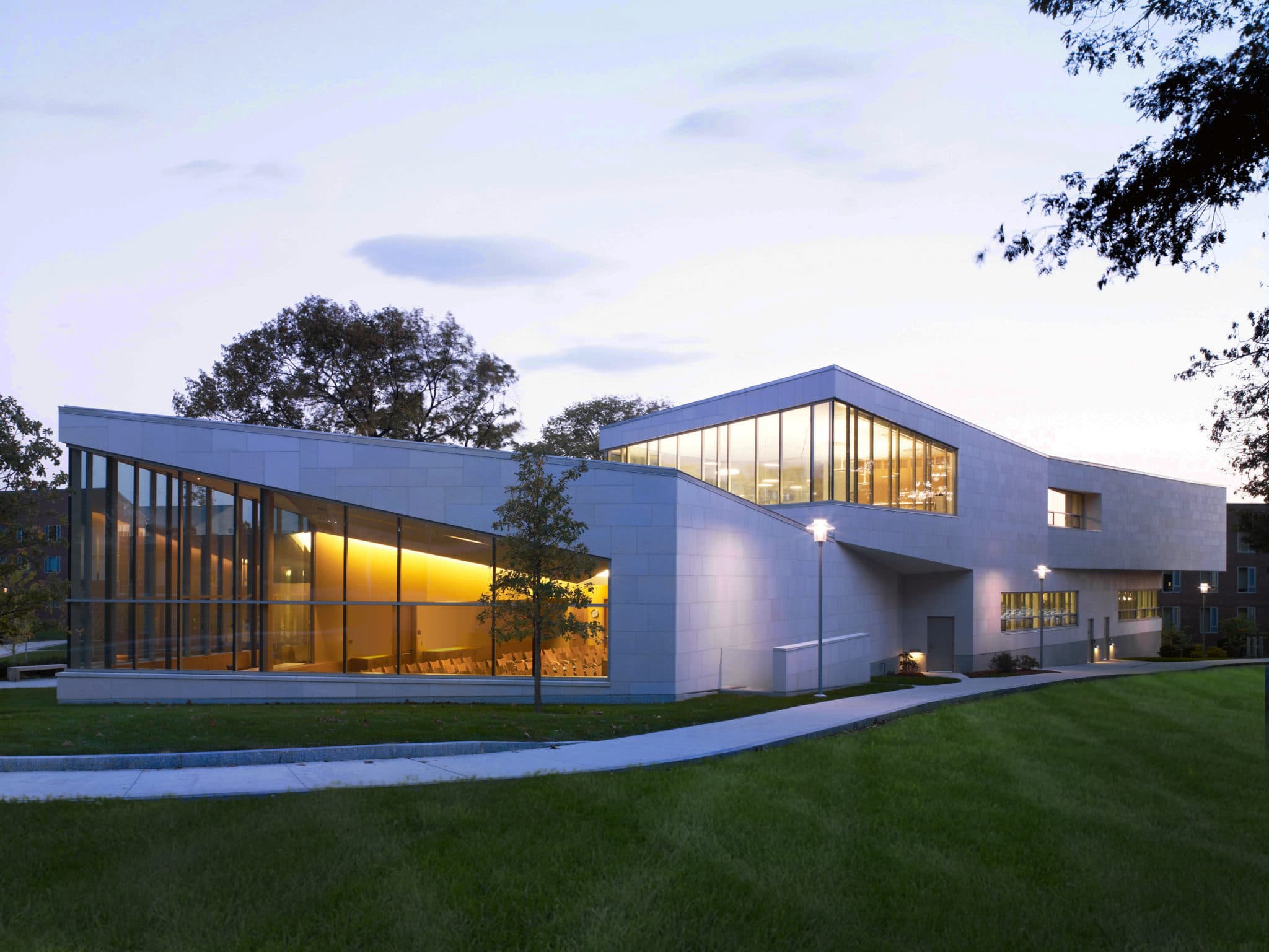
Life science research architecture focused on collaboration and innovation defines DTU Life Science & Bioengineering, a major academic facility at the Technical University of Denmark. Designed by Schmidt Hammer Lassen, the building serves as a dynamic hub for interdisciplinary research, education, and knowledge exchange, bringing together scientists, students, and industry professionals within a unified environment.
The project is conceived as more than a traditional research building. It integrates laboratories, teaching facilities, office spaces, and a wide range of social and support functions—including a conference centre, canteen, lounge areas, and café spaces—to create an active and connected academic ecosystem. These shared spaces are essential to fostering collaboration, enabling both structured research and informal interaction.
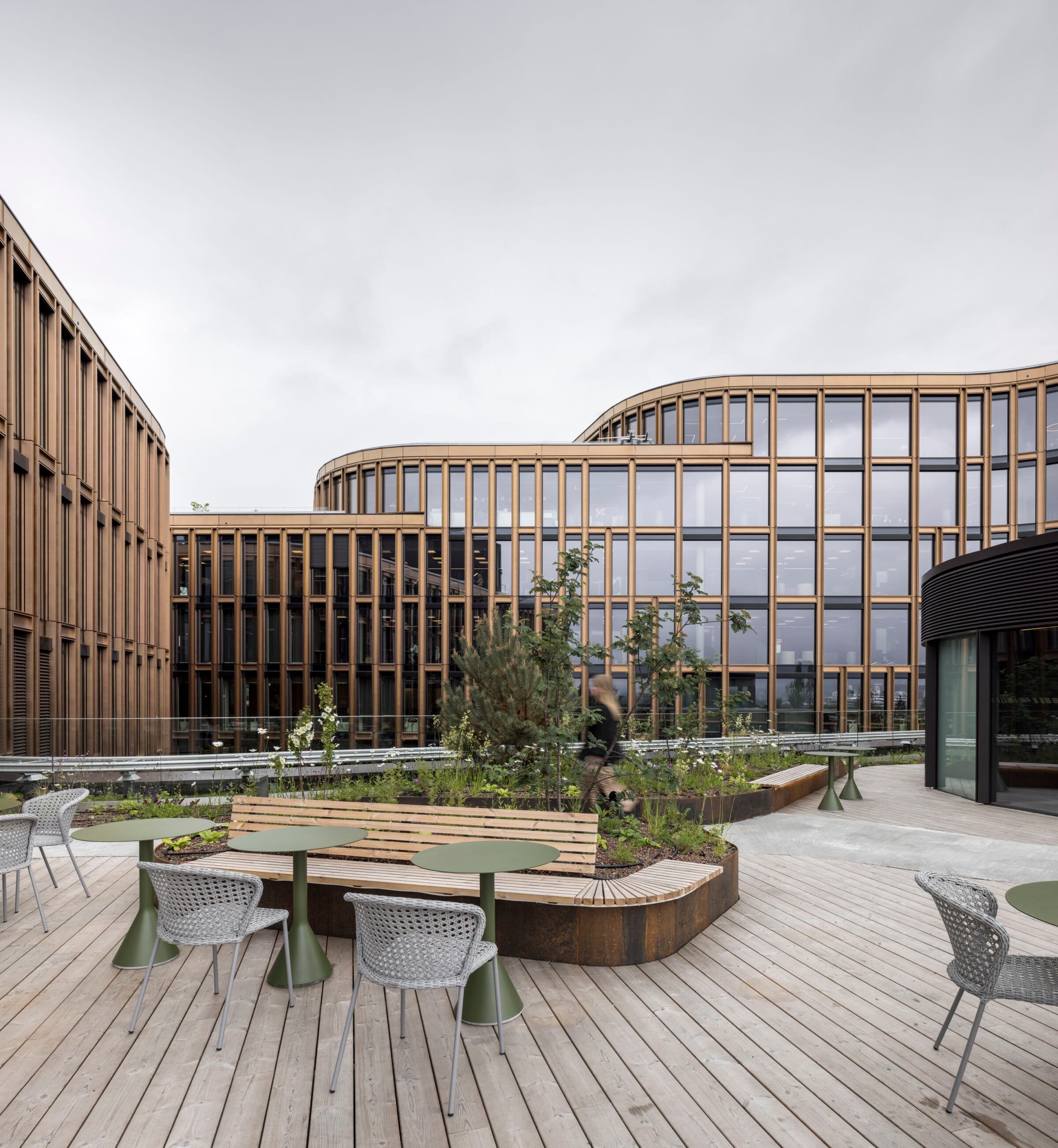
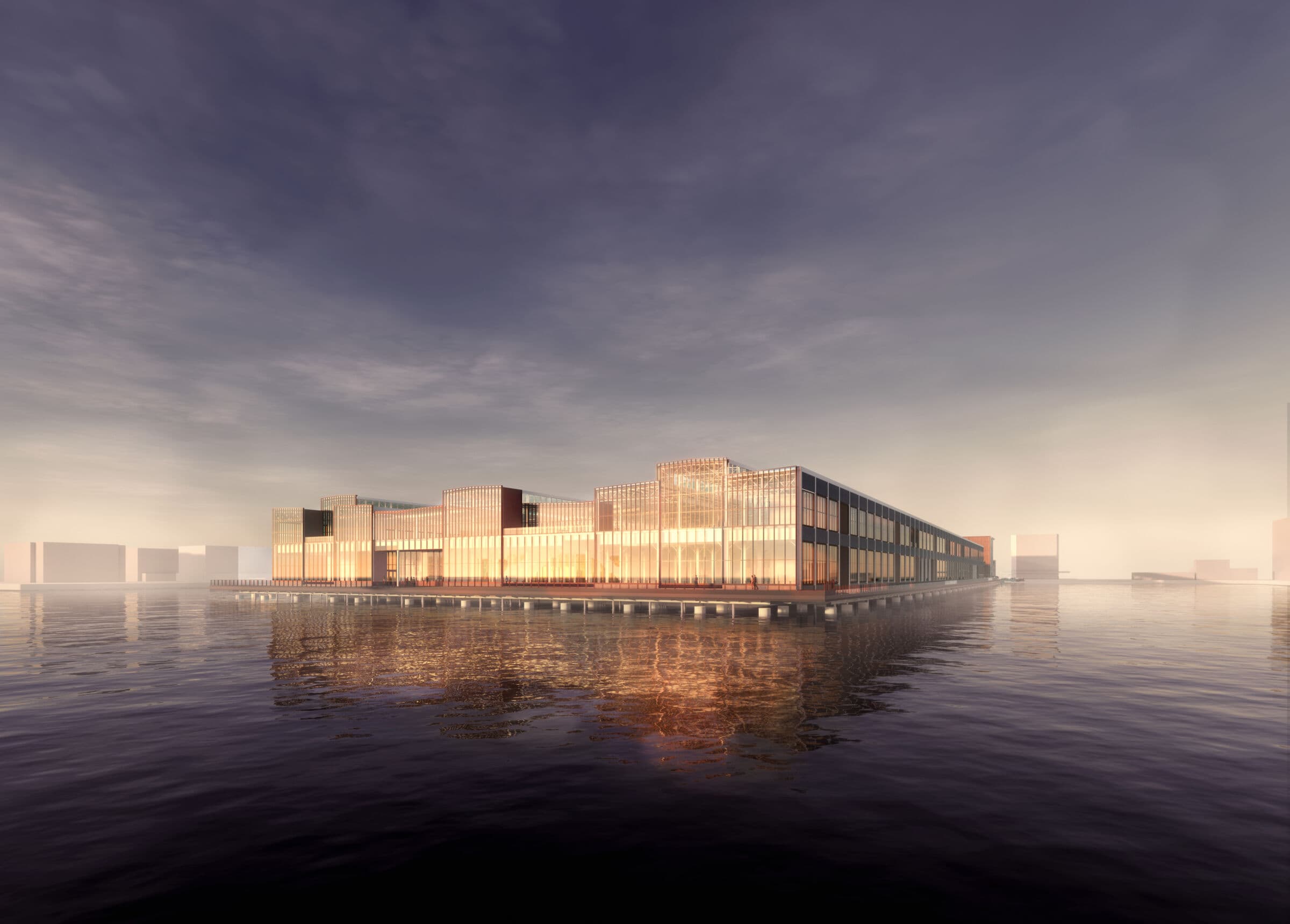
Architecturally, the building presents a strong and recognizable identity through its gold-anodized and black-lacquered aluminium façade. The façade is articulated with niches and balconies that break down the scale of the structure and create a more human, inviting expression.
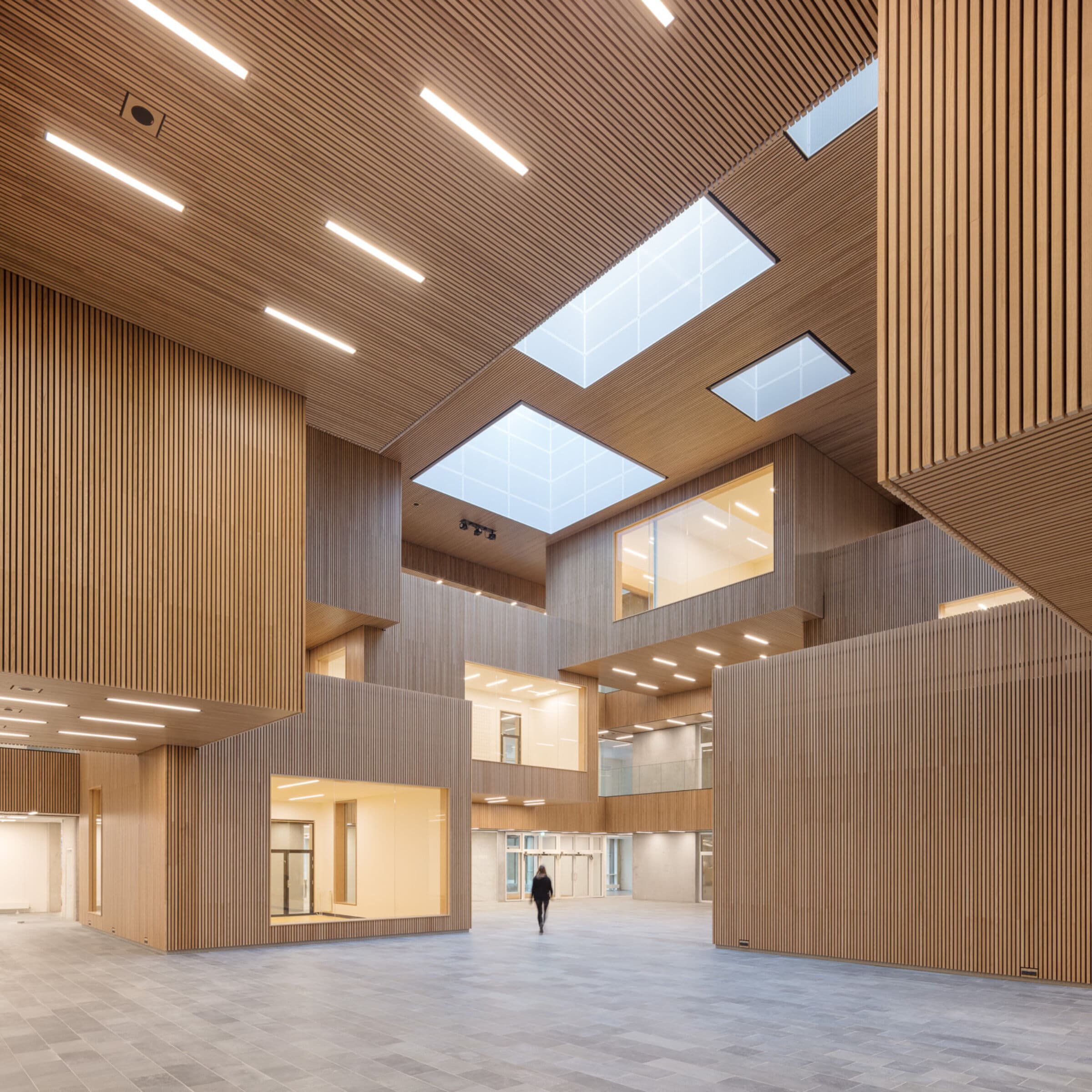
At the heart of the building lies its most defining spatial element: the Biosphere, a large oak-clad atrium that acts as the central meeting place for the entire facility. Constructed using approximately 18,400 oak lamella elements, the space introduces warmth and tactility into a highly technical environment. Large skylights bring natural light deep into the building, while suspended meeting boxes encourage spontaneous interaction and interdisciplinary exchange.
The interior layout is designed around openness and connectivity. Wide corridors and shared circulation areas are not merely transitional but function as social and collaborative zones. This approach reflects a core design philosophy of promoting interaction between different research fields, supporting innovation through proximity and exchange.
The laboratories themselves are highly flexible and equipped with advanced technical systems, allowing researchers to adapt their working environments to evolving scientific needs. The integration of high-performance ventilation systems and specialized laboratory infrastructure ensures optimal conditions for cutting-edge research.
Ultimately, DTU Life Science & Bioengineering represents a contemporary model of academic architecture—one that merges advanced scientific infrastructure with human-centered design to create an environment that supports discovery, collaboration, and future innovation.